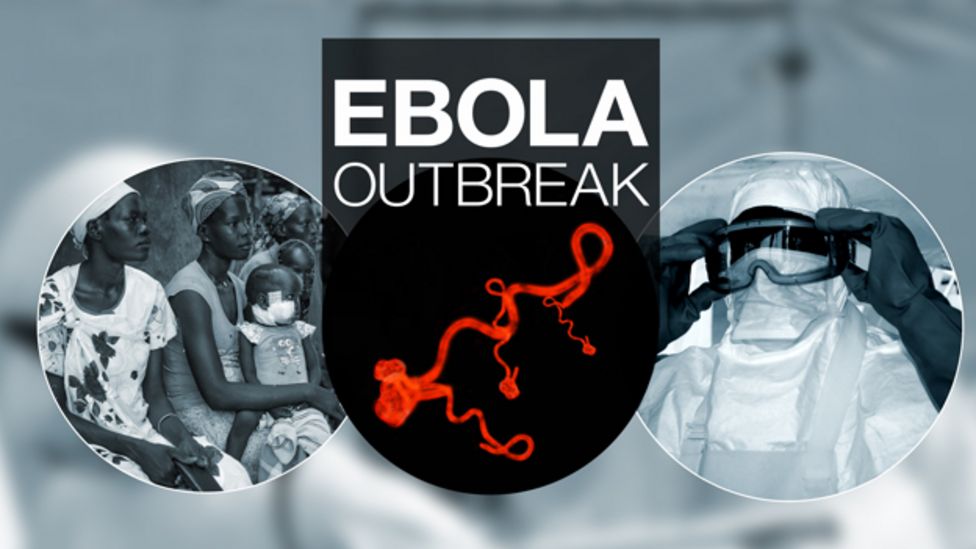
The world has entered a new phase of vigilance as health authorities across continents strengthen surveillance against a formidable viral foe. The recent declaration of an Ebola outbreak as a Public Health Emergency of International Concern (PHEIC) has triggered a cascade of responses from Indonesia and Nigeria to the Caribbean and beyond, marking one of the most significant global health mobilization efforts in recent years. The outbreak, driven by the rare Bundibugyo strain for which no licensed vaccine or specific treatment exists, has prompted health organizations to deploy unprecedented resources to prevent a wider catastrophe.
The Current State of the Outbreak
The outbreak, first declared in the Democratic Republic of the Congo on May 15, 2026, has since evolved into a complex public health crisis that demands global attention . As of late June 2026, the situation has become increasingly severe, with the WHO reporting 896 confirmed cases in the DRC alone, including 232 confirmed deaths . The epicenter remains in the northeastern provinces, particularly Ituri, where more than 90 percent of known cases have been concentrated . The virus has also spread to neighboring Uganda, with confirmed infections linked to cross-border transmission, and authorities have announced additional cases in Uganda, bringing the total to 19 .
What makes this outbreak particularly concerning is the speed at which it is evolving. WHO officials have described the situation as “evolving so fast” that response efforts are struggling to keep pace . The outbreak is caused by the Bundibugyo strain, a rare variant of the Ebola virus that has no approved vaccine or specific antiviral treatment . According to data from WHO, the case fatality rate for this strain has previously ranged from 30% to 50%, depending on how quickly patients receive supportive medical care .
The outbreak has been characterized by undetected transmission that went on for several weeks before being formally identified . This delayed detection has allowed the virus to gain a foothold in communities across multiple provinces, including North Kivu and South Kivu, complicating containment efforts . The situation is further exacerbated by ongoing armed conflict in eastern DRC, which creates insecurity that hampers healthcare access and contact tracing activities .
The Global Response and Surveillance Intensification
In response to this escalating crisis, the World Health Organization declared the outbreak a Public Health Emergency of International Concern on May 17, 2026 . This declaration, the second-highest level of alert under international health regulations, underscores the need for global vigilance and coordinated action . As WHO officials have emphasized, the declaration reflects cross-border transmission risk, high mortality rates, and continuing uncertainty over the outbreak’s scale and development .
The global response has been swift and comprehensive. The WHO and Africa CDC have launched a $518 million continental Ebola outbreak preparedness and response plan covering June to November 2026 . This initiative brings together governments, partners, and communities under a unified “one response” approach to strengthen outbreak response measures, including emergency coordination, disease surveillance, laboratory testing, infection prevention and control, clinical care, and community engagement . The six-month plan aims to coordinate efforts to contain the outbreak and prevent further spread across borders .
Country-Level Surveillance Measures
Across the globe, nations have implemented rigorous surveillance measures at their borders and within their healthcare systems to detect and prevent the importation of Ebola cases.
Indonesia’s Comprehensive Border Screening
Indonesia has heightened monitoring at its international entry points following the WHO declaration . The government is closely monitoring travelers, particularly those arriving from outbreak-affected countries, with suspected cases to be referred to designated hospitals and reported through the national emergency response system . The health ministry is coordinating with hospitals and public health agencies to improve early detection and response capacities while expanding public education and risk communication efforts through its official Ebola information portal .
Nigeria’s Enhanced Preparedness
Nigeria has intensified national preparedness and response measures to safeguard against the possible introduction of the Bundibugyo Ebolavirus Disease . The Federal Ministry of Health has activated heightened preparedness measures nationwide, even though no confirmed case has been reported in the country . These measures include strict border control protocols, universal temperature screening using non-invasive infrared thermal scanners, mandatory completion of health declaration forms, enhanced traveler risk assessment, and reinforced infection prevention and control measures across health facilities .
Caribbean Regional Surveillance
The Caribbean Public Health Agency has assessed that the current risk to the Caribbean region remains low but emphasizes the importance of maintaining a high state of readiness . CARPHA continues to monitor the outbreak through global scanning early warning mechanisms and leverages integrated regional surveillance tools, including event-based and indicator-based surveillance systems, the Tourism and Health Information System, the Caribbean Vessel Surveillance System, and national syndromic surveillance . The agency has partnered with CARICOM IMPACS to reactivate advanced electronic screening systems at border entry points to flag and review travel history of passengers from affected areas .
WHO European Region’s Reassurance and Vigilance
The WHO European Region has assessed the risk as low but maintains preparedness measures as a precaution . Regional Director Dr Hans Henri P. Kluge has reassured the public that none of the host countries nor the European Region currently has Ebola cases, and there is no reason to change travel plans . However, the region remains vigilant, with health systems well prepared to handle any potential imported cases .
Understanding Ebola: Transmission, Symptoms, and Treatment
Ebola is a severe viral hemorrhagic fever that poses a significant threat to public health due to its high fatality rate and potential for person-to-person transmission . Scientists believe the virus spills over into humans through contact with infected animals, including chimpanzees, gorillas, and bats . Once introduced into the human population, the virus spreads between people through close, direct contact with bodily fluids from infected individuals or contaminated materials .
Transmission Pathways and Risk Factors
The Ebola virus is not transmitted through the air, which is a crucial public health consideration . Instead, infection requires direct contact with the blood, body fluids, or tissues of infected individuals . The incubation period ranges from 2 to 21 days, and individuals are not infectious before symptoms appear . People become infectious only once they are visibly ill, which provides an opportunity for containment through case identification and isolation . However, as the disease progresses and symptoms such as vomiting and diarrhea develop, the risk of transmission increases significantly .
Clinical Presentation and Progression
Early symptoms of Ebola often resemble common infections, making initial diagnosis challenging . Patients typically experience fever, fatigue, headache, muscle pain, and weakness . As the disease progresses, symptoms may include vomiting, diarrhea, organ dysfunction, and in some cases, internal or external bleeding . Healthcare workers must maintain a high index of suspicion, particularly for patients with a history of travel to affected areas within the previous 21 days .
Treatment and Supportive Care
With no approved vaccine or specific treatment for the Bundibugyo strain, public health officials must rely heavily on traditional outbreak-control measures . These include rapid diagnosis, isolation of patients, contact tracing, safe burials, and community awareness campaigns . Early supportive care has proven effective in reducing mortality, and healthcare systems across the world are prepared to provide this level of care should the need arise .
Challenges in Containment and Response
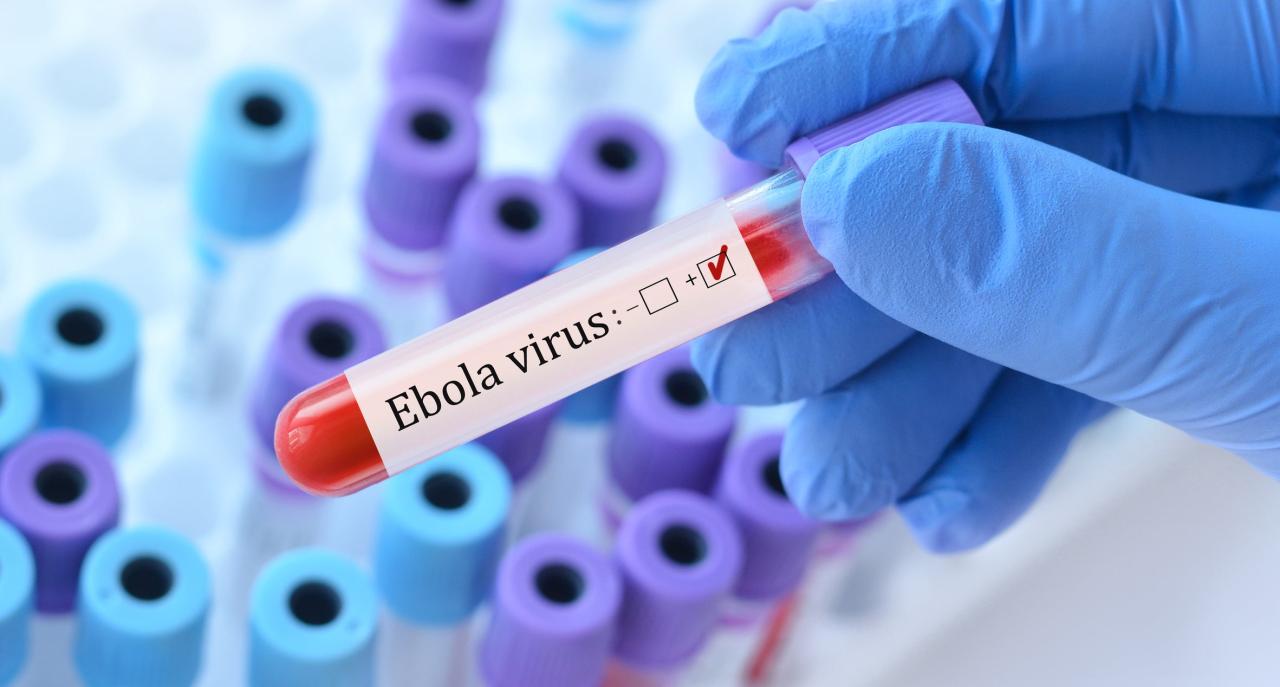
The current Ebola outbreak presents several unique challenges that complicate containment efforts and underscore the importance of international cooperation.
Conflict and Insecurity
One of the biggest challenges facing health authorities is the ongoing insecurity in parts of eastern DRC . Armed conflict, displacement of communities, and weak healthcare infrastructure make it difficult to conduct contact tracing and build trust with local populations . WHO officials have repeatedly warned that disease control efforts become significantly harder when healthcare workers cannot safely access affected communities .
Community Mistrust and Misinformation
Public health experts emphasize that community cooperation is essential for successful outbreak containment . Past Ebola outbreaks have demonstrated that misinformation, fear, and mistrust can hinder containment efforts and allow transmission to continue . In the DRC, some people falling ill have been staying at home, then visiting traditional healers, before finally going to healthcare centers, delaying access to treatment and increasing transmission risk . In response, health authorities are expanding public education efforts to curb misinformation and prevent panic .
The Bundibugyo Strain Challenge
The current outbreak is caused by the Bundibugyo strain of the Ebola virus, for which there is no licensed vaccine or approved targeted treatment . This presents a significant public health challenge, as health officials cannot rely on vaccination campaigns to quickly contain the outbreak . Instead, they must depend on traditional public health measures such as surveillance, isolation, contact tracing, and safe burial practices .
Cross-Border Transmission Risk
The affected areas are major trade and migration corridors, with frequent movement of people between communities and across borders . This increases the risk of further spread if surveillance systems fail to identify infections quickly . The WHO’s declaration of a Public Health Emergency of International Concern reflects this cross-border transmission risk and the need for coordinated international action .
Surveillance Strategies and Public Health Measures
Health authorities worldwide have implemented comprehensive surveillance strategies to detect, contain, and prevent the spread of Ebola.
Border Screening and Traveler Monitoring
Countries are strengthening surveillance at points of entry such as airports, seaports, and land crossings . Key measures include:
A. Universal temperature screening using non-invasive infrared thermal scanners and handheld thermometers for arriving travelers
B. Mandatory completion of health declaration forms and travel history assessments for inbound passengers
C. Enhanced traveler risk assessment and screening procedures at designated points of entry
D. Secondary screening, isolation, and referral mechanisms for travelers presenting symptoms consistent with viral hemorrhagic fevers
E. Strengthened coordination with immigration, aviation, maritime, and border management authorities
Enhanced Surveillance and Scientific Monitoring
Countries are enhancing their disease surveillance systems to quickly identify and respond to potential cases :
A. Enhanced Integrated Disease Surveillance and Response activities nationwide
B. Strengthened event-based and community-based surveillance systems
C. Active monitoring, verification, and investigation of public health alerts and rumors
D. Continuous national risk assessment and epidemiological monitoring
E. Coordination with regional and international public health partners
Laboratory Preparedness and Testing
Regional laboratory capacity to screen, confirm, and characterize the Ebola virus is in place, with WHO working closely with designated collaborating centers . Key measures include:
A. Specimen collection and transportation systems for viral hemorrhagic diseases
B. Laboratory biosafety and biosecurity protocols
C. Capacity to perform routine diagnostic testing
D. Process for rapid shipment of specimens to WHO reference laboratories
Healthcare Facility Readiness
Healthcare facilities worldwide are maintaining a high index of suspicion for viral hemorrhagic fevers and strengthening infection prevention and control measures :
A. Activation and coordination of Public Health Emergency Operations Centers
B. Deployment readiness of Rapid Response Teams at national and sub-national levels
C. Reinforcement of infection prevention and control measures across health facilities
D. Ongoing sensitization and preparedness training for healthcare workers, surveillance officers, and frontline personnel
E. Triage systems strengthened to promptly isolate suspected cases
The Importance of Risk Communication and Public Education
Accurate, science-based information and trusted public health guidance remain critical for communities as countries strengthen preparedness . Misinformation often spreads rapidly during outbreaks and can increase health risks, delay care-seeking, and undermine public health response . False claims, such as consuming alcohol can prevent Ebola, only increase health risks . Health authorities are emphasizing the importance of seeking information from trusted official sources and avoiding sharing unverified information .
Public education efforts are focusing on key prevention messages:
A. Avoid contact with sick individuals and those who have died from Ebola disease
B. Avoid contact with blood and other body fluids
C. Practice good hand hygiene using alcohol-based hand rub or soap and running water
D. Avoid contact with dead animals or bushmeat from unknown sources
E. Seek medical attention promptly if symptoms develop within 21 days of travel to affected areas
F. Isolate from others and contact health authorities immediately if unwell after returning from travel to affected areas
The Economic and Social Dimensions of the Response
The Ebola outbreak has significant economic and social dimensions that extend beyond the immediate public health response. The European Commission has allocated an additional 15 million euros in humanitarian assistance to support outbreak response and preparedness activities in affected countries . The WHO and Africa CDC’s $518 million continental plan covers emergency coordination, surveillance, testing, infection prevention, clinical care, and community engagement .
The declaration of the outbreak as a Public Health Emergency of International Concern, while not recommending travel restrictions, has implications for travel, trade, and tourism . Countries are implementing routine health checks at borders and events to protect public health while avoiding unnecessary disruption to normal activities .
The Road Ahead: Strengthening Global Health Security
The current Ebola outbreak underscores the ongoing need for robust global health security systems that can detect, respond to, and contain emerging infectious disease threats. The response efforts highlight several key areas for continued focus and investment.
Strengthening Surveillance Systems
Event-based and indicator-based surveillance systems are essential for early detection of emerging infectious diseases . These systems must be linked to rapid response mechanisms and supported by adequate laboratory capacity to confirm cases quickly . The ability to quickly identify and investigate disease outbreaks is critical to preventing widespread transmission .
Building Community Trust and Engagement
Community engagement is essential for successful outbreak containment . Health authorities must work to build trust with local populations, address misinformation, and encourage health-seeking behaviors . This includes working with traditional healers and community leaders to ensure that people receive accurate information and appropriate care .
Investing in Research and Development
The absence of an approved vaccine or specific treatment for the Bundibugyo strain highlights the need for continued investment in research and development for emerging infectious diseases . While the global response has been rapid and comprehensive, the availability of effective vaccines and treatments would significantly enhance the capacity to control future outbreaks.
Enhancing International Cooperation
The global response to the Ebola outbreak demonstrates the importance of international cooperation in addressing public health threats . Viruses do not stop at borders, and coordinated action is essential for effective outbreak control . WHO’s partnership with the EU, Africa CDC, and other organizations exemplifies the type of multilateral action that is needed to address global health challenges .
Conclusion
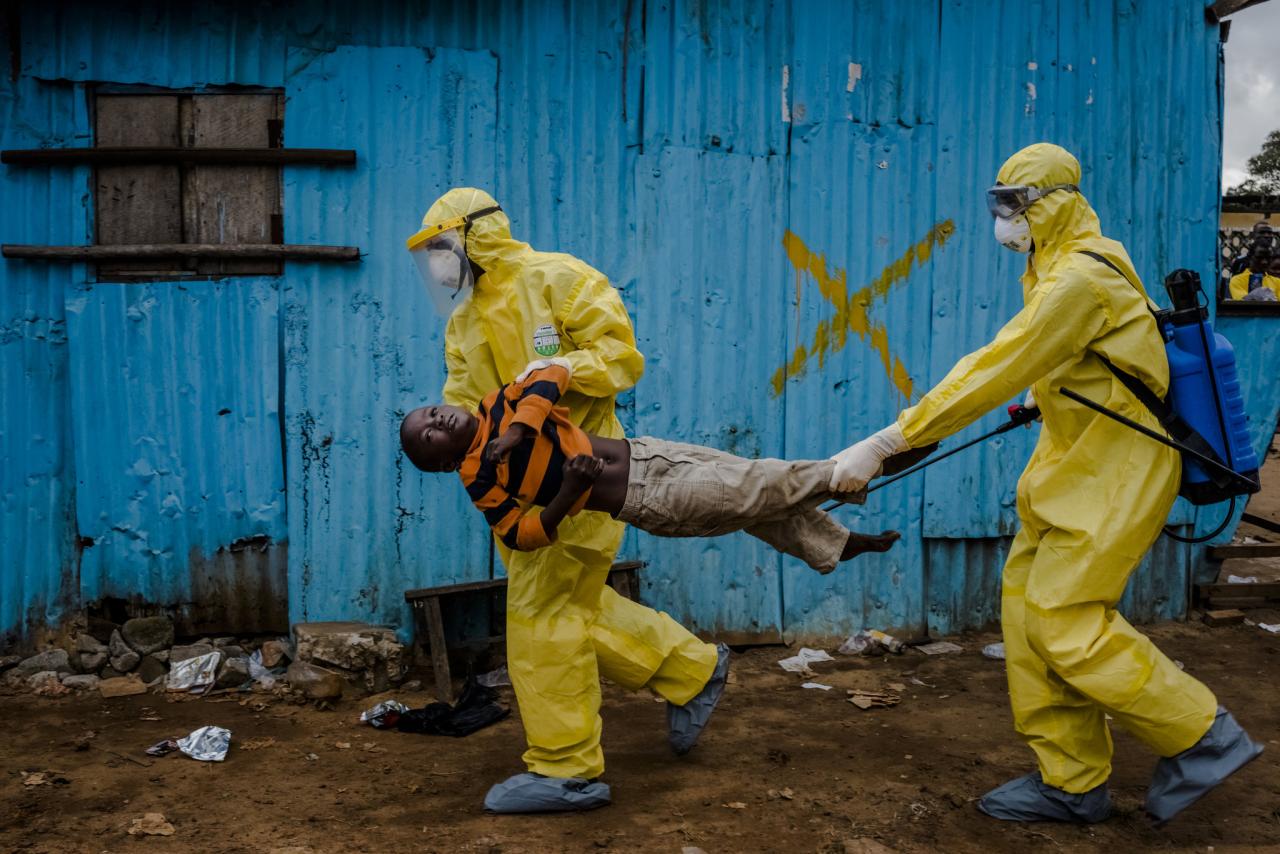
The current Ebola outbreak, driven by the Bundibugyo strain, represents a significant challenge to global health security that demands vigilance and coordinated action. While the risk of widespread transmission remains low in most regions, the high mortality rate, absence of a vaccine, and potential for cross-border spread make this a serious public health concern. The global response, characterized by enhanced surveillance, border screening, and public education, demonstrates the commitment of the international community to protect public health.
For travelers and the general public, the message is clear: stay informed, follow public health guidance, and avoid misinformation. Routine health checks and public health measures are in place to protect everyone. The outbreak serves as a powerful reminder of the need for strong public health systems, community engagement, and international cooperation to address emerging infectious disease threats.
As the response continues, health authorities are urging travelers to check official travel advisories, monitor their health, and seek medical attention promptly if symptoms develop after travel to affected areas . While the situation remains serious, the coordinated global response provides hope that the outbreak can be contained through vigilance, cooperation, and timely action.