
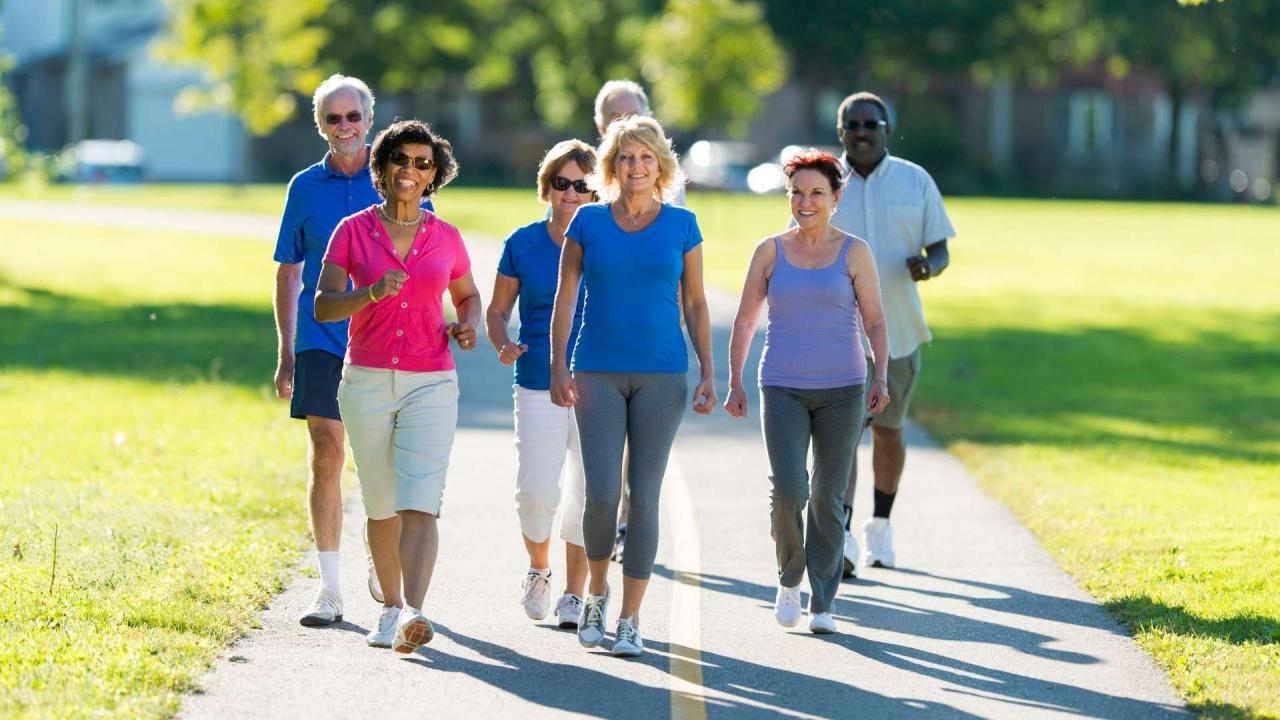
As we journey through life, our bodies undergo countless transformations, some visible and others subtle. Among the most overlooked yet significant changes is the gradual alteration in how we walk. Have you ever noticed how your grandmother seems to move more cautiously now than she did decades ago? Or perhaps you have observed that your father’s stride has shortened over the years? These observations are not mere coincidences but rather reflect a complex biological process that affects virtually every human being. Walking speed naturally decreases with age, and understanding this phenomenon reveals much about human physiology, health indicators, and even longevity predictions. This article explores the intricate relationship between aging and walking speed, delving into the biological, neurological, and musculoskeletal factors that contribute to this change, while also examining what our gait can tell us about our overall health and future well-being.
The Natural Progression of Gait Changes
Walking is such an automatic activity that most people rarely think about it until something goes wrong. Yet this seemingly simple action involves an extraordinarily complex coordination between the brain, nervous system, muscles, bones, and joints. As we age, each component of this intricate system undergoes modifications that collectively influence our walking pattern. Research consistently demonstrates that walking speed typically peaks during a person’s twenties or thirties and then begins a gradual decline that accelerates after age sixty. This reduction is not uniform across all individuals, however, as genetics, lifestyle choices, and overall health status significantly influence the rate of change. Interestingly, the decline is not merely about moving slower but involves fundamental alterations in biomechanics, including reduced step length, decreased cadence, and increased time spent with both feet on the ground during the gait cycle. These modifications represent the body’s adaptive response to age-related changes, allowing individuals to maintain stability and reduce fall risk despite declining physiological reserves.
The Biological Clock and Musculoskeletal System
The musculoskeletal system bears the brunt of aging’s impact on walking speed, undergoing progressive deterioration that directly affects mobility. Sarcopenia, the age-related loss of muscle mass and strength, plays a pivotal role in gait changes. Beginning around age thirty, humans lose approximately three to five percent of their muscle mass per decade, with this rate accelerating after age sixty. This muscle loss particularly affects the lower extremities, reducing the power generated during push-off phases of walking. Additionally, the quality of remaining muscle tissue deteriorates, with increased infiltration of fat and connective tissue that compromises contractile efficiency. Bone health also contributes significantly to walking changes, as conditions like osteoporosis increase fracture risk and may cause individuals to adopt more cautious walking patterns. Degenerative joint diseases, particularly osteoarthritis affecting the hips, knees, and ankles, further restrict movement and alter gait mechanics. These structural changes create a cascade of adaptations where individuals unconsciously modify their walking patterns to compensate for pain, weakness, or instability.
Neurological Factors That Shape Gait
Beyond the musculoskeletal system, neurological changes profoundly influence walking speed and quality in older adults. The central nervous system undergoes age-related modifications that affect motor control, coordination, and sensory processing. Slower nerve conduction velocity means that signals from the brain to muscles travel less efficiently, creating slight delays in muscle activation that cumulatively affect walking speed. The cerebellum, responsible for balance and coordination, shows age-related structural changes that may impair its ability to fine-tune movements. Furthermore, the brain’s white matter, which facilitates communication between different brain regions, undergoes degeneration that can affect the integration of sensory information necessary for smooth walking. These neurological changes manifest as increased gait variability, where the timing and placement of steps become less consistent, and decreased ability to adapt to environmental challenges such as uneven surfaces or obstacles. The combination of these factors results in a more conservative gait pattern that prioritizes stability over speed.
Sensory System Deterioration
The sensory systems that provide feedback during walking also deteriorate with age, affecting gait speed and quality. Vision changes, including reduced contrast sensitivity, diminished depth perception, and decreased peripheral vision, limit the ability to detect environmental hazards and obstacles. Proprioception, the sense of joint position and movement, becomes less accurate as sensory receptors in muscles, tendons, and joints decline in number and function. The vestibular system, responsible for balance and spatial orientation, undergoes age-related degeneration that can cause dizziness and unsteadiness. These sensory deficits force older adults to rely more heavily on visual input for balance, which paradoxically slows walking speed as they devote more attention to monitoring their environment and foot placement. Multisensory integration becomes less efficient, meaning that the brain struggles to combine information from different sensory sources to create a coherent picture of body position and movement. This sensory decline often results in a wider base of support, shorter steps, and reduced arm swing, all contributing to decreased walking speed.
Cardiovascular and Respiratory Influences
The cardiovascular and respiratory systems also play essential roles in determining walking speed and endurance. Age-related changes in cardiac function, including decreased maximal heart rate and reduced cardiac output, limit the oxygen delivery to working muscles during physical activity. Vascular stiffening and reduced capillary density further impair oxygen and nutrient delivery to tissues. Similarly, pulmonary function declines with age, with decreased lung elasticity, reduced vital capacity, and diminished gas exchange efficiency. These changes mean that older adults reach their ventilatory threshold at lower exercise intensities, forcing them to walk more slowly to maintain comfortable breathing patterns. The combination of reduced cardiac output and diminished pulmonary function creates a situation where even moderate walking can feel like strenuous exercise for older individuals, leading them to adopt slower speeds as a compensatory strategy.
Metabolic and Energy Efficiency Changes
Walking speed is also influenced by changes in metabolic efficiency and energy expenditure that accompany aging. Older adults typically demonstrate higher energy costs for walking compared to younger individuals, meaning they must expend more energy to achieve the same speed. This reduced efficiency stems from several factors, including altered gait mechanics, increased co-contraction of antagonist muscle groups, and less effective energy transfer through the kinetic chain. The increased energy cost creates a situation where walking at any given speed requires a higher percentage of maximal aerobic capacity, making sustained walking more fatiguing. Consequently, older adults unconsciously self-select slower walking speeds that represent a more sustainable level of energy expenditure. This metabolic adaptation reflects a fundamental biological principle where the body seeks to maintain homeostasis and avoid exhaustion during daily activities.
Psychological and Cognitive Components

Walking speed does not only reflect physical capacity but also cognitive function and psychological state. Numerous studies demonstrate strong correlations between walking speed and cognitive performance, particularly in areas of executive function, attention, and processing speed. The cognitive demands of walking increase with age, as maintaining balance and navigating the environment require greater conscious attention. This dual-task cost, where the brain struggles to simultaneously manage walking and cognitive tasks, becomes more pronounced with age and can slow walking speed significantly. Psychological factors such as fear of falling, anxiety, and depression further influence gait speed, with individuals who experience these conditions often adopting more cautious walking patterns. The relationship between cognitive function and walking speed is bidirectional, with slower walking speed potentially indicating early cognitive decline that may precede clinical diagnosis of conditions like dementia or Alzheimer’s disease.
Medical Conditions and Medications
The accumulation of chronic medical conditions and medication use significantly impacts walking speed in older adults. Conditions such as diabetes, hypertension, heart disease, arthritis, and peripheral neuropathy all affect gait in different ways. Diabetes, for example, can cause peripheral neuropathy that reduces sensation in the feet, altering proprioception and balance. Hypertension and heart disease limit cardiovascular reserve, while arthritis restricts joint mobility and causes pain during movement. Furthermore, the medications used to manage these conditions often have side effects that influence gait, including dizziness, sedation, and orthostatic hypotension. Polypharmacy, the use of multiple medications simultaneously, increases the risk of drug interactions that can affect balance, coordination, and cognitive function. The cumulative effect of these medical conditions and their treatments often results in significantly reduced walking speed that reflects both the direct effects of disease and the indirect effects of treatment.
Hormonal Changes and Their Impact
Endocrine changes accompanying aging contribute significantly to alterations in walking speed. The decline in growth hormone and insulin-like growth factor-1 levels reduces muscle protein synthesis and contributes to sarcopenia. Decreased testosterone in men and estrogen in women affects muscle mass, bone density, and overall physical function. Thyroid hormone changes can alter metabolic rate and energy availability, while cortisol dysregulation affects muscle breakdown and recovery. These hormonal shifts create a systemic environment that favors catabolism over anabolism, making it more difficult to maintain the muscle mass and strength necessary for efficient walking. The hormonal changes of menopause in women particularly affect walking speed, as estrogen loss accelerates bone loss and may contribute to joint degeneration. Understanding these hormonal influences provides opportunities for potential interventions, including hormone replacement therapy in appropriate candidates.
Nutritional Status and Hydration
Adequate nutrition and hydration are fundamental to maintaining walking speed and overall mobility in older adults. Age-related changes in appetite, taste, and smell can reduce food intake, potentially leading to deficiencies in protein, vitamins, and minerals essential for muscle function and energy production. Vitamin D deficiency, particularly common in older adults, affects muscle strength and function, while inadequate protein intake accelerates sarcopenia. Dehydration is also more common in older adults due to decreased thirst sensation and may cause fatigue, dizziness, and impaired cognitive function. The relationship between nutritional status and walking speed is often overlooked, yet optimizing nutrition can significantly improve mobility and quality of life. Protein supplementation combined with resistance exercise has demonstrated particular effectiveness in improving walking speed and function in older adults.
Environmental and Lifestyle Factors
The environment in which individuals live and their lifestyle choices significantly influence walking speed throughout the aging process. Physical activity levels throughout life strongly predict walking speed in later years, with those who maintain regular exercise demonstrating slower rates of decline. Similarly, occupational history influences physical capacity, with individuals who had physically demanding jobs often maintaining greater muscle strength and function. Environmental factors such as neighborhood walkability, access to parks and recreation facilities, and climate can either facilitate or inhibit physical activity. Social engagement and community involvement also influence walking, as individuals who maintain active social lives often incorporate more walking into their daily routines. Conversely, sedentary behavior accelerates the decline in walking speed, creating a vicious cycle where reduced mobility leads to further inactivity and deterioration.
Social and Economic Determinants
Walking speed is not solely determined by biological factors but is also influenced by social and economic conditions. Socioeconomic status affects access to healthcare, quality nutrition, and safe environments for physical activity. Educational attainment correlates with health literacy and the ability to make informed lifestyle choices. Social support networks influence health behaviors and provide encouragement for physical activity. These social determinants create disparities in walking speed and mobility among older adults, with those from disadvantaged backgrounds often experiencing more rapid decline. Additionally, racial and ethnic differences exist in walking speed, likely reflecting a complex interplay of genetic, environmental, and social factors. Addressing these disparities requires comprehensive approaches that consider the full range of influences on mobility and aging.
The Clinical Significance of Walking Speed
Walking speed has emerged as a powerful clinical indicator of health status and future outcomes in older adults. Research consistently demonstrates that walking speed predicts mortality, hospitalization, and functional decline with remarkable accuracy. The ease of measurement makes walking speed an attractive screening tool for healthcare providers, offering insights into overall health that extend far beyond mobility. Slow walking speed correlates with increased risk of falls, cognitive decline, cardiovascular events, and institutionalization. The clinical utility of walking speed has led to its incorporation into comprehensive geriatric assessments and recommendations for routine monitoring in older adult populations. Understanding the predictive value of walking speed allows healthcare providers to identify at-risk individuals and implement interventions to address underlying causes of mobility decline.
How to Maintain Healthy Walking Speed
Fortunately, the decline in walking speed is not inevitable and can be mitigated through various interventions. Regular physical activity, particularly exercises that challenge balance, strength, and endurance, can significantly slow the age-related decline in walking speed. Walking programs, resistance training, tai chi, and aquatic exercises offer different benefits for maintaining mobility. Nutritional optimization, including adequate protein intake and vitamin supplementation when deficient, supports muscle maintenance and energy production. Management of chronic conditions and medication review can address factors that impair mobility. Environmental modifications, including fall prevention measures and accessibility improvements, support safe walking. Social engagement and cognitive stimulation can also preserve the neural pathways essential for efficient walking. The combination of these approaches offers the best chance of maintaining walking speed and independence throughout the aging process.
Conclusion

Aging changes your walking speed through an intricate web of biological, neurological, sensory, cardiovascular, and psychological factors. This change represents not merely a physical limitation but a complex adaptive response that integrates multiple body systems to maintain stability and safety. Understanding the multifaceted nature of gait changes allows for comprehensive approaches to maintaining mobility throughout the lifespan. While some degree of slowing is inevitable, the rate and extent of decline can be significantly influenced by lifestyle choices, medical management, and environmental modifications. Walking speed serves as a valuable window into overall health, offering insights that can guide clinical care and personal health decisions. As research continues to illuminate the connections between gait and health, the importance of monitoring and maintaining walking speed becomes increasingly clear. By recognizing the significance of our walking speed and taking proactive steps to preserve it, we can enhance not only our mobility but also our independence, quality of life, and longevity.