
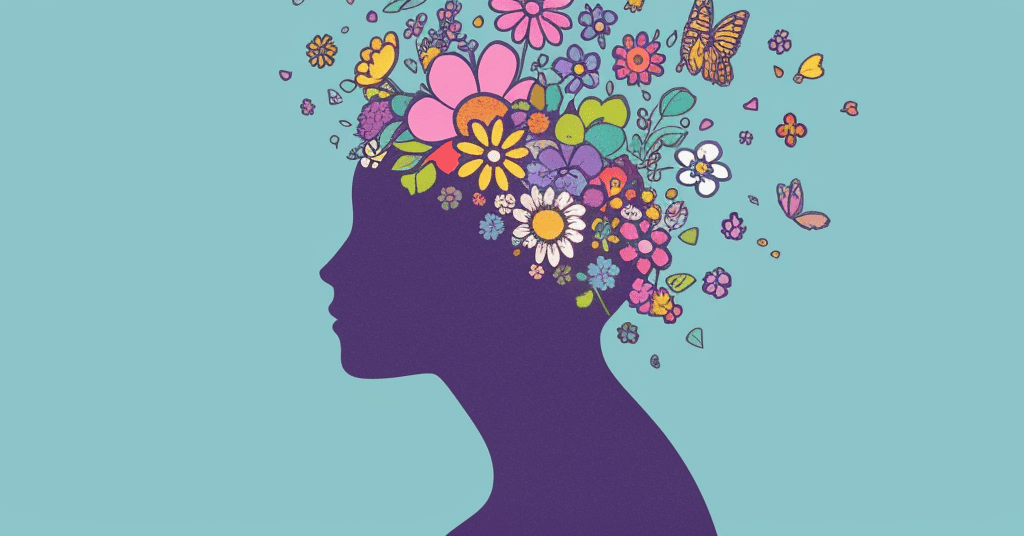
In the modern era, speed has become a status symbol. We glorify the hustle, celebrate the grind, and wear our burnout like a badge of honor. The world tells us that faster is better, that multitasking is a superpower, and that rest is for the weak. Yet, beneath the surface of this high-velocity existence, a silent epidemic is brewing. Rates of anxiety, depression, and chronic stress have skyrocketed to unprecedented levels. In response to this chaotic tempo, a gentle but powerful counter-movement has emerged: the slower lifestyle. This is not about laziness or lack of ambition; it is a profound, intentional recalibration of life’s priorities. It is about reclaiming time, savoring experiences, and nurturing the mind. This article will explore, in exhaustive detail, how adopting a slower lifestyle serves as one of the most potent, accessible, and holistic cures for the mental health crises of our time.
The Velocity of Modern Life and Its Toll on the Psyche
To understand the healing power of a slower lifestyle, we must first dissect the damage caused by its antithesis: the fast lifestyle. We live in an age of immediacy. We expect instant responses to emails, immediate gratification from streaming services, and rapid results from our diets and exercise routines. This expectation of speed seeps into every crevice of our consciousness.
The human brain, however, is not wired for perpetual acceleration. It evolved to operate in cycles of stress and rest. When we bypass the rest cycle, we force our nervous systems into a chronic state of “fight or flight.” The sympathetic nervous system remains perpetually activated, flooding the body with cortisol and adrenaline. Over time, this chemical deluge wreaks havoc on mental health, leading to a host of debilitating conditions.
The Primary Mental Health Consequences of Speed Include:
-
Chronic Anxiety: The constant pressure to keep up creates a pervasive sense of dread. The mind races ahead, worrying about future deadlines, social obligations, and potential failures, leaving no room for present-moment peace.
-
Depression and Apathy: The relentless pursuit of “more” often leads to a sense of emptiness. When life is a checklist of tasks, we lose touch with meaning and connection, fostering feelings of hopelessness and disengagement.
-
Cognitive Overload: Multitasking, a hallmark of the fast life, is a myth. What we call multitasking is actually “task-switching,” which depletes glucose in the brain, reduces efficiency, and increases the likelihood of errors, leading to frustration and mental fatigue.
-
Sleep Deprivation: The inability to “shut off” the mind leads to insomnia or poor-quality sleep. Sleep is non-negotiable for mental health, as it is the primary time the brain clears toxins and consolidates memories.
-
Reduced Emotional Regulation: When we are constantly rushed, we lose the gap between stimulus and response. We become reactive rather than responsive, snapping at loved ones and making impulsive decisions that we later regret.
-
Social Isolation: Ironically, in the age of hyper-connectivity, we are lonelier than ever. Fast lifestyles leave little time for deep, meaningful face-to-face interactions, replacing them with superficial digital exchanges.
Defining the Slower Lifestyle: What It Truly Means
A slower lifestyle, often referred to as “slow living,” is a philosophy that emphasizes doing things at a more natural, deliberate, and sustainable pace. It is a conscious choice to prioritize quality over quantity and presence over productivity. It is important to clarify that a slower lifestyle is not about relinquishing ambition or abandoning progress. Rather, it is about redefining what progress means. It involves setting intentional boundaries, simplifying schedules, and creating space for what truly matters.
At its core, the slower lifestyle is underpinned by several key principles:
-
Intention: Every action is performed with a clear purpose, rather than out of habit or external pressure.
-
Mindfulness: A deep focus on the present moment, engaging all the senses in the current activity.
-
Simplicity: Actively decluttering physical spaces, digital devices, and mental to-do lists to reduce noise and distraction.
-
Connection: Fostering genuine relationships with self, others, and the environment.
-
Sustainability: Ensuring that one’s pace of life can be maintained long-term without leading to burnout.
The Neuroscience of Slowing Down
The benefits of a slower lifestyle are not just philosophical; they are deeply rooted in neurobiology. When we slow down, we facilitate a shift in brain wave activity. The fast-paced, beta-wave dominated state (associated with active concentration, anxiety, and alertness) gives way to the more relaxed alpha and theta wave states. These slower brain waves are associated with creativity, deep relaxation, and enhanced learning.
Furthermore, slowing down activates the parasympathetic nervous system, often referred to as the “rest and digest” system. This system counteracts the stress response, lowering heart rate, reducing blood pressure, and promoting digestive health. The vagus nerve, a critical component of this system, is stimulated, which directly correlates with improved emotional regulation and a greater sense of calm.
Regularly engaging in slow practices has been shown to increase neuroplasticity—the brain’s ability to rewire itself. This means that by consistently choosing a slower lifestyle, we are literally reshaping our brains to be more resilient to stress, more focused, and more emotionally stable. It rebuilds the gray matter in areas of the brain responsible for memory, empathy, and emotional control.
Practical Dimensions of a Slower Lifestyle
Adopting a slower lifestyle is a multifaceted endeavor. It is not a single switch but a series of small, deliberate changes across various domains of life. Below, we break down the key areas where slowness can be infused, complete with actionable strategies.
A. Slower Mornings: The Foundation of a Calm Day
The first hour of the day sets the tone for the remaining sixteen. A rushed morning—dominated by the blare of an alarm, frantic showering, and gulping down coffee while checking emails—triggers the stress response before you even leave the house. A slower morning, by contrast, is a sacred ritual.
Strategies for a Slower Morning:
-
Wake Up Without an Alarm (If Possible): Allow your body to wake naturally according to its sleep cycles. If you must use an alarm, opt for a gradual light-based alarm or a gentle sound.
-
Hydrate Mindfully: Drink a full glass of water slowly. Notice the sensation of the water quenching your thirst.
-
Avoid Screens for the First 30 Minutes: The blue light and informational deluge from phones instantly overwhelm the brain. Keep the phone on airplane mode.
-
Engage in Gentle Movement: Instead of a high-intensity workout (which can wait until later), try stretching, yoga, or a slow walk.
-
Savor Your Breakfast: Eat without distractions. Taste the flavors, chew thoroughly, and express gratitude for the nourishment.
B. Slower Work: Redefining Productivity
In the professional sphere, slowness translates to deep work and focused attention. It is the antithesis of the open-office, multi-tasking nightmare that characterizes modern corporate culture. A slower approach to work actually boosts output and creativity while reducing errors and stress.
Strategies for Slower Work:
-
Single-Tasking: Dedicate blocks of time to a single task. Use techniques like the Pomodoro Technique (25 minutes of focus, 5 minutes of rest) to maintain concentration without burnout.
-
Scheduled “Buffer” Time: Do not schedule meetings back-to-back. Leave 15-30 minutes between appointments to decompress, review notes, and mentally prepare for the next engagement.
-
Mindful Communication: Instead of firing off rapid emails, take a moment to craft clear, thoughtful messages. This reduces the back-and-forth and fosters better understanding.
-
Take Real Breaks: Step away from the desk. Go outside, sit in a quiet room, or simply stare out the window. These micro-breaks restore mental energy.
C. Slower Consumption: Digital Detox and Mindful Eating
Our consumption habits—both digital and physical—are a major source of mental clutter. A slower lifestyle demands a curatorial approach to what we allow into our minds and bodies.
Digital Detox and Slow Consumption:
-
Dopamine Fasting: Schedule periods where you abstain from highly stimulating digital content (social media, video games, news sites). This resets your brain’s reward system.
-
Curate Your Feeds: Unfollow accounts that cause feelings of inadequacy, envy, or anxiety. Follow those that inspire, educate, or bring joy.
-
Scheduled Social Media Time: Allow yourself a specific time of day to scroll, rather than doing it compulsively throughout the day.
-
Mindful Eating: This is a cornerstone of slow living. Eat without screens. Chew slowly. Notice the textures, aromas, and flavors of your food. This aids digestion and prevents overeating, while transforming a mundane task into a meditative experience.
D. Slower Relationships: Deepening Connections
In a world of instant messaging and superficial social media interactions, true connection is rare. A slower lifestyle prioritizes the depth of relationships over the quantity.
Strategies for Slower Socializing:
-
One-on-One Time: Instead of large, chaotic group gatherings, prioritize intimate meetups where you can have meaningful conversations.
-
Active Listening: When someone speaks, give them your full, undivided attention. Do not think about your response while they are talking. Hear them out.
-
Unplugged Visits: When spending time with loved ones, put away all digital devices. Be fully present.
-
Write Letters: In the age of texts, a handwritten letter is a powerful, tangible symbol of care and deliberation.
The Interconnection Between Slowness and Nature
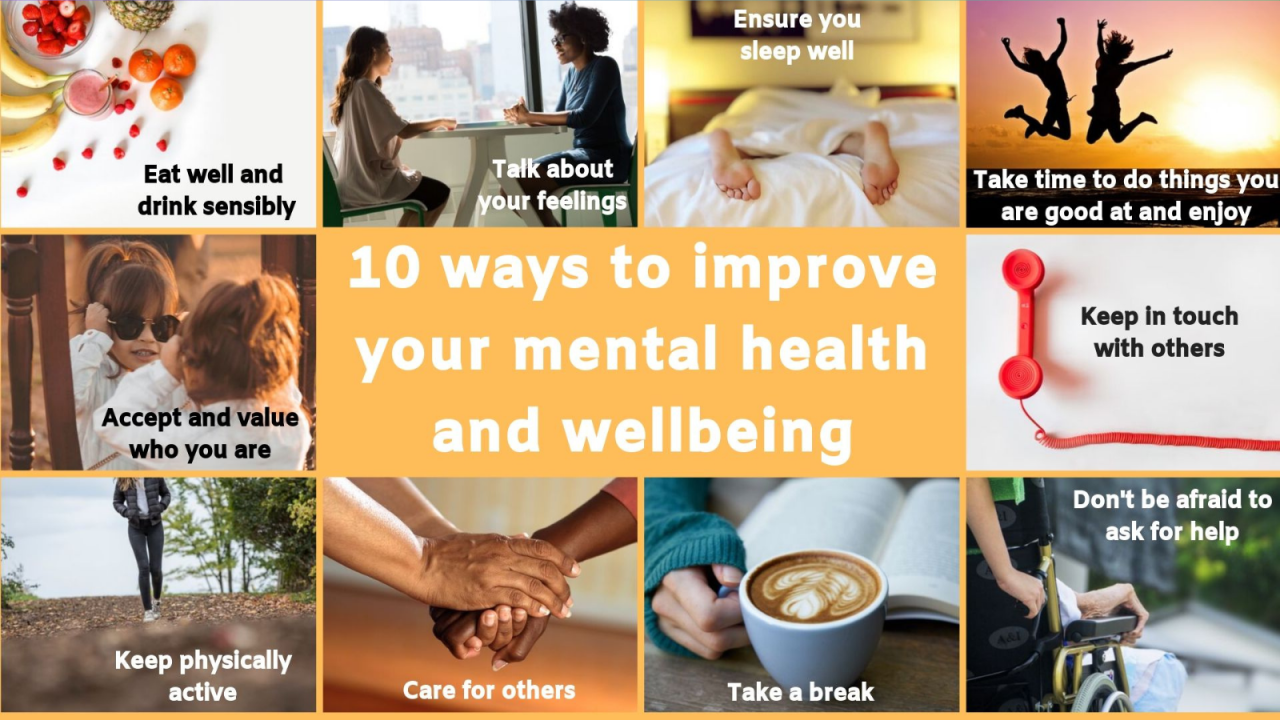
Nature is the ultimate sanctuary for the slow lifestyle. It operates on its own timeless, unhurried rhythms. Spending time in nature is a direct antidote to the frenetic pace of urban life. The concept of “biophilia” suggests that humans have an innate tendency to seek connections with nature. When we immerse ourselves in natural environments, we experience a phenomenon known as “soft fascination.” Unlike the hard fascination of urban life (which demands our attention), soft fascination allows for reflection and restoration.
Benefits of Nature for Slow Living:
-
Grounding: Walking barefoot on grass or soil (earthing) can physically reduce stress by neutralizing free radicals in the body.
-
Awe and Perspective: Standing before a vast ocean or a tall mountain instantly shrinks our problems, providing a healthy perspective on our daily worries.
-
Cyclical Living: Observing the seasons teaches us the value of rest. Just as trees shed their leaves in winter, we too must have periods of dormancy and reflection.
Minimalism: The Physical Manifestation of Mental Slowness
A cluttered environment is a manifestation of a cluttered mind. Minimalism, a close cousin of the slow lifestyle, involves reducing physical possessions to only those that serve a purpose or bring joy. This is not about deprivation but about liberation.
How Minimalism Supports a Slower Lifestyle:
-
Reduced Decision Fatigue: Fewer clothes, fewer gadgets, and fewer knick-knacks mean fewer choices to make. This conserves mental energy.
-
Easier Maintenance: A minimalist home requires less cleaning and organizing, freeing up time for more meaningful activities.
-
Financial Freedom: Buying less allows for more savings, which can provide the financial cushion needed to work less or retire early.
-
Increased Appreciation: When you have fewer items, you value them more. You repair them instead of replacing them, fostering a sustainable and appreciative mindset.
The Role of Slow Hobbies
In a fast world, hobbies are often treated as side hustles. We monetize our passions or abandon them for lack of progress. A slower lifestyle reintroduces the concept of hobbies for the sake of joy, not profit. These activities are portals to the “flow state”—a state of complete immersion where time seems to stand still.
Examples of Slow Hobbies:
-
Gardening: Watching seeds grow into plants teaches patience and connects you to the cycle of life.
-
Knitting or Crocheting: These rhythmic activities are proven to reduce anxiety and lower heart rates.
-
Reading Physical Books: E-books are convenient, but turning the pages of a paper book is a sensory experience that promotes relaxation.
-
Cooking from Scratch: The process of chopping, mixing, and simmering is deeply therapeutic.
-
Journaling: Writing down thoughts by hand slows down the cognitive process, allowing for self-discovery and emotional processing.
-
Painting or Drawing: Art forces you to be present with lines and colors.
The Psychological Benefits: A Deep Dive
Now, we return to the core premise of our discussion: the mental health boost. The cumulative effect of the practices detailed above is a dramatic overhaul of one’s psychological profile.
I. Reduction of Stress and Anxiety
Slowing down directly reduces cortisol levels. It breaks the cycle of “what if” thinking that fuels anxiety. By focusing on the present, we eliminate the anxiety that arises from future-tripping.
II. Increased Emotional Intelligence
When we are not rushed, we have the time to process our emotions. We can identify what we are feeling, why we are feeling it, and how we want to respond. This self-awareness is the bedrock of high emotional intelligence, which improves all areas of life.
III. Enhanced Resilience
A slower lifestyle builds a buffer against adversity. By ensuring our nervous system has adequate rest, we are more capable of handling crises when they arise. We are like a rubber band that is not perpetually stretched; we have the elasticity to snap back.
IV. Greater Life Satisfaction
Perhaps the most profound benefit is the shift from “doing” to “being.” Our society judges us by our productivity, but a slower lifestyle judges us by our humanity. This shift in value system leads to a deep-seated, enduring satisfaction that is immune to the fluctuations of the stock market or social media trends.
V. Mitigation of Burnout
Burnout is characterized by emotional exhaustion, depersonalization, and a reduced sense of personal accomplishment. It is a direct result of chronic workplace stress. By setting boundaries, reducing workloads, and prioritizing self-care, a slower lifestyle prevents burnout and helps those already suffering to recover.
Integrating Slowness: A Step-by-Step Guide
To help you transition from a fast-paced existence to a slower, more sustainable one, here is a comprehensive guide to implementing this philosophy into your daily routine.
A. Conduct a “Life Audit”
You cannot fix what you do not measure. Spend a day logging how you spend every hour. Identify the “time thieves”—activities that drain your energy without providing value.
B. Establish “Slow Zones”
Designate specific areas of your life where speed is not allowed. This could be the dinner table, the bedroom, or the first hour of the morning.
C. Learn to Say “No”
Every “yes” to a commitment is a “no” to something else—usually your time and peace. Protect your schedule fiercely.
D. Embrace Boredom
In a high-stimulation world, boredom is a luxury. Allow yourself to be bored. It is in these empty spaces that creativity and problem-solving flourish.
E. Schedule “Slowness” in Your Calendar
Just as you schedule meetings, schedule time for a walk, a nap, or simply to sit and stare out the window. Treat this time as non-negotiable.
F. Practice Gratitude
At the end of each day, write down three things you are grateful for. This forces the brain to scan for positives, shifting your baseline state from “scarcity” to “abundance.”
Overcoming Challenges to Slow Living
Despite its allure, implementing a slower lifestyle is not without challenges. We are swimming against the current of society. Here are some common obstacles and how to navigate them.
Challenge A: The Guilt of Rest
Many people feel guilty when they are not being “productive.” Society has conditioned us to derive worth from output.
Solution: Reframe rest as productive activity. Rest is not the absence of work; it is a necessary component of it. Remind yourself that you are not a machine. Machines require maintenance and downtime; so do you.
Challenge B: Peer Pressure and FOMO
Social media often showcases the “glamorous” fast life. You may feel left out if you are not attending every event or chasing every trend.
Solution: Unplug and re-evaluate your values. Remind yourself that showing up for your mental health is more important than showing up for a party. The fear of missing out is replaced by the joy of “missing out” on stress.
Challenge C: Professional Demands
Employers may not appreciate a slower pace. There is a perception that speed equals efficiency.
Solution: This requires strategic communication. You can sell “slowness” to your employer by framing it as “deep work,” “quality control,” or “strategic thinking.” Show them that your results (fewer errors, higher quality output) justify your methods.
The Global Perspective: Cultural Attitudes Toward Time
It is fascinating to note that the concept of a slower lifestyle is not new. Many cultures have embraced it for centuries. The Spanish siesta, the Mediterranean dolce far niente (the sweetness of doing nothing), and the concept of hygge in Denmark all champion slowness. These cultures often boast higher happiness scores and lower rates of stress-related illnesses than the fast-paced Western nations. There is a profound wisdom in these traditions that we would do well to heed.
Key Cultural Practices of Slowness:
-
The Italian “Passeggiata”: An evening stroll where the community comes together to socialize, not to exercise.
-
The Japanese “Shinrin-yoku” (Forest Bathing): A mindful, slow walk in the woods that has been scientifically proven to reduce stress.
-
The Swedish “Fika”: A daily ritual of taking a break to have coffee and pastries with friends or colleagues.
The Future of Living: Why Slow is the New Fast
As we look to the future, it is becoming increasingly clear that the pace of modern life is unsustainable. The generational burnout seen in Millennials and Gen Z is a testament to this. The pandemic served as a global experiment in slowing down, and many people discovered that they preferred a life with less commuting, less noise, and more time at home.
We are likely to see a continued shift towards remote work, four-day work weeks, and a greater emphasis on work-life integration. Technology, if used correctly, can be a tool for slowness rather than speed. Automation can handle the mundane tasks, allowing us to focus on creative and relational endeavors. The “Slow Movement” that began in the 1980s with the Slow Food movement is now a global phenomenon touching everything from travel (slow travel) to fashion (slow fashion).
Conclusion: The Art of Living Deliberately
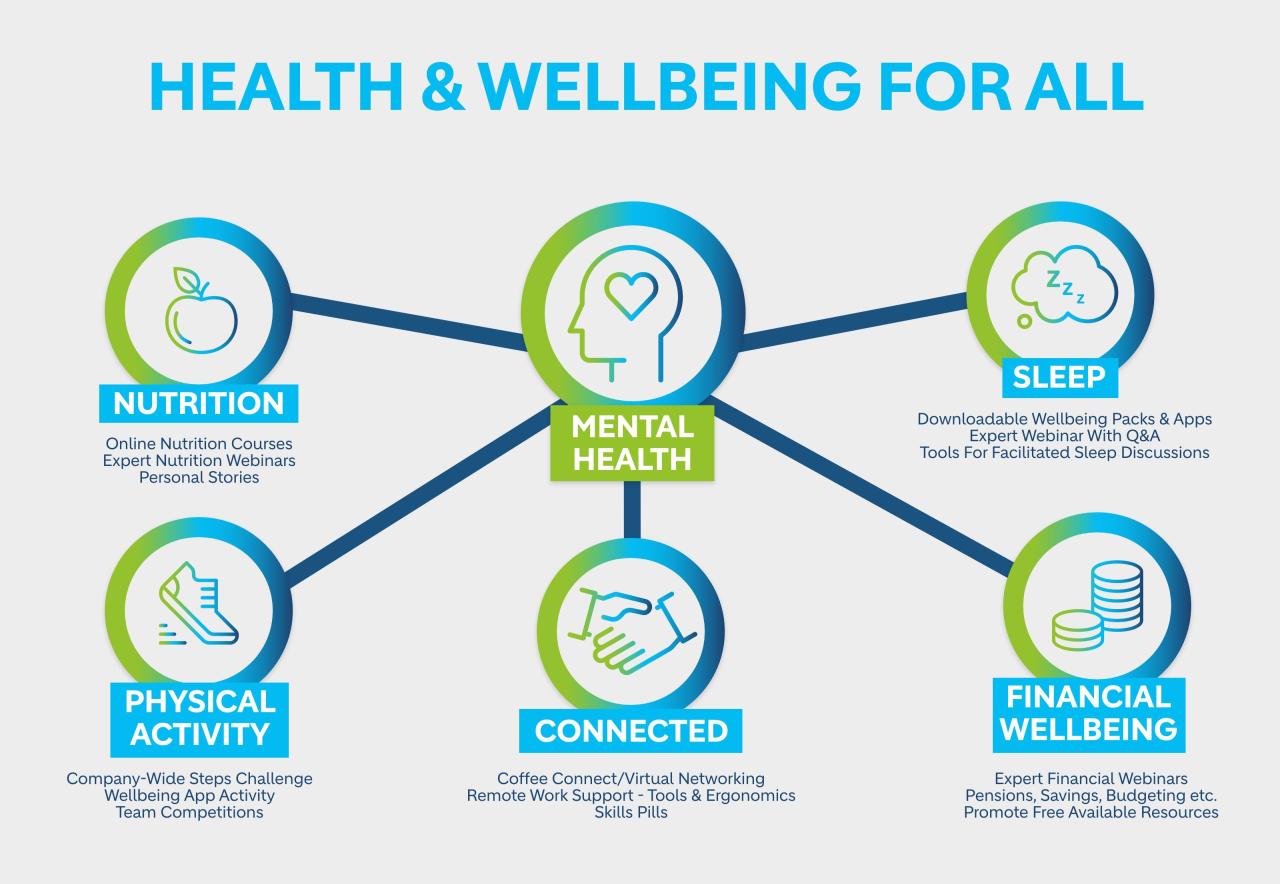
In conclusion, the journey toward a slower lifestyle is one of the most profound acts of self-care you can undertake. It is a declaration of independence from the tyranny of the clock and the demands of an anxious culture. It is an invitation to experience life in high definition, to taste your food, to feel the sun on your skin, and to listen with your whole heart.
The mental health boost provided by slowness is not a temporary bandage; it is a fundamental healing of the psyche. It restores your ability to think clearly, to love deeply, and to weather the inevitable storms of life. It reconnects you to your own humanity and the humanity of others.
As you finish reading this article, you have a choice. You can continue to race through the minutes, letting them blur into weeks and years, or you can slow down. Breathe. Look around. The world will not stop spinning if you pause. In fact, by slowing down, you just might find that the world becomes a more beautiful, meaningful, and peaceful place. The ultimate cure for our frantic minds is not more speed, but the quiet, revolutionary act of living slowly. Start today. The rest of your life and your mental health depends on it.