
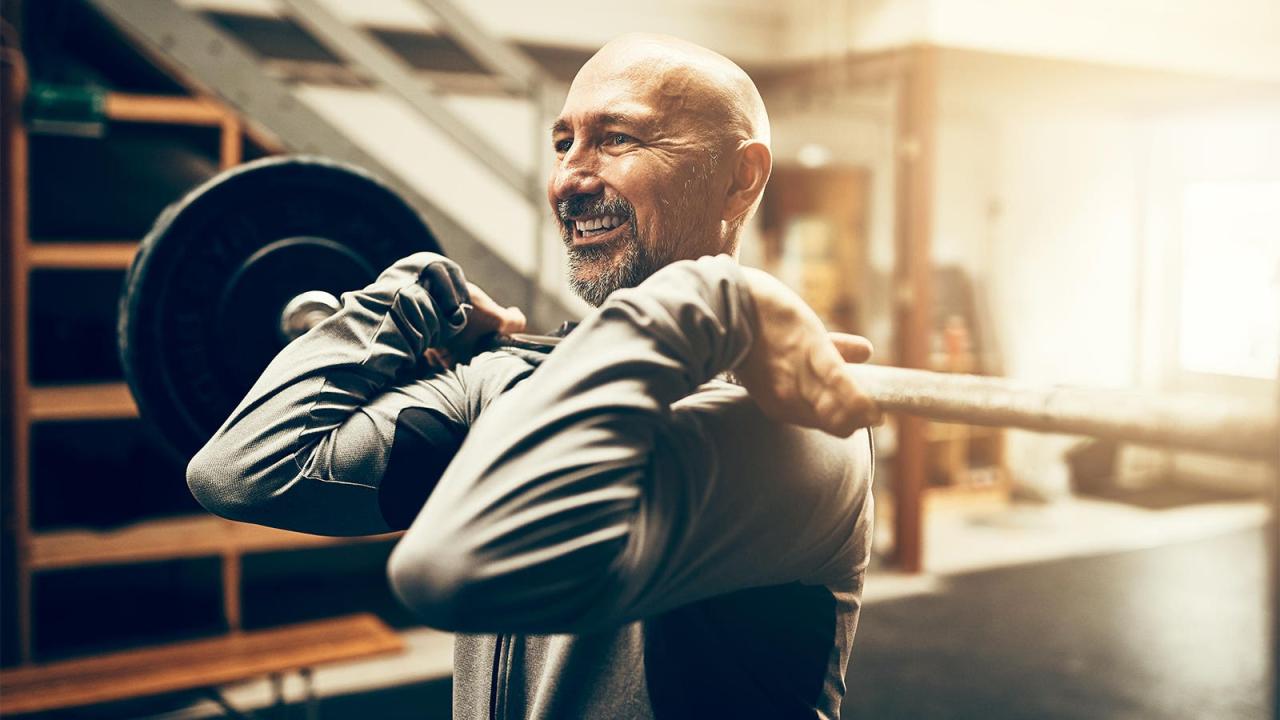
For decades, the global conversation surrounding physical fitness has been dominated by a singular, almost obsessive focus: cardiovascular exercise. We are constantly reminded to walk 10,000 steps a day, to run marathons, to cycle, and to swim. The imagery of a healthy individual is almost invariably that of a person jogging through a park or pedaling vigorously on a stationary bike. While aerobic activity is undeniably crucial for heart health and caloric expenditure, a monumental shift is occurring in the scientific community. Researchers are now unveiling a powerful, often overlooked secret to a longer, healthier life that goes far beyond the treadmill. This secret lies in the iron plates, the dumbbells, and the resistance bands. The evidence is mounting and irrefutable: strength training, or resistance exercise, is not merely a tool for bodybuilders or athletes seeking aesthetic perfection; it is a fundamental pillar of longevity that directly correlates with a significant reduction in mortality risk.
The narrative that strength training is dangerous for the average person, or that it is only for the young, is rapidly being dismantled by rigorous epidemiological studies and clinical trials. In fact, emerging data suggests that the protective benefits of building and maintaining muscle mass may be even more profound than those derived from aerobic exercise alone. This comprehensive article delves deep into the science, the statistics, and the practical applications of this life-saving form of exercise. We will explore how lifting weights, using resistance bands, or performing body-weight exercises does more than just sculpt the physique; it fundamentally alters your internal biology, fortifying your body against the leading causes of death worldwide. We will dissect how muscle acts as a metabolic organ, how strength impacts insulin sensitivity, and why maintaining power as we age is the key to independence and vitality.
The Scientific Link: Muscle Mass and Metabolic Health
To understand why strength training reduces mortality, we must first redefine how we view muscle. In the past, muscle was simply seen as a contractile tissue that allowed for movement. However, modern endocrinology and physiology have revealed that skeletal muscle is, in fact, a highly active endocrine organ. It communicates with other tissues, including the liver, pancreas, adipose tissue (fat), and the brain, by releasing specialized proteins known as myokines.
When you engage in resistance training, you create micro-tears in the muscle fibers. As the body repairs these fibers, they become thicker and stronger. But this process also sparks a massive release of myokines. These myokines have powerful anti-inflammatory effects throughout the body. Chronic low-grade inflammation is a root cause of nearly every major degenerative disease, including cardiovascular disease, cancer, and type 2 diabetes. By lowering systemic inflammation, muscle mass acts as a buffer against disease progression.
Furthermore, muscle tissue is the primary site for glucose disposal. When you eat carbohydrates, your blood sugar rises. Insulin is released to shuttle this sugar into cells for energy. Muscle cells are voracious consumers of glucose. In individuals with higher muscle mass, glucose is cleared from the bloodstream much more efficiently. This dramatically improves insulin sensitivity. Conversely, a loss of muscle mass known as sarcopenia is tightly linked to insulin resistance, which is the precursor to metabolic syndrome and type 2 diabetes. Since diabetes drastically increases the risk of heart disease, kidney failure, and stroke, maintaining muscle is a critical strategy for prevention. The act of contracting a muscle during a heavy lift forces it to absorb glucose without even needing insulin to do so, providing an immediate and profound metabolic benefit.
Strength Training and Cardiovascular Health
The relationship between strength training and heart health often surprises people who associate weightlifting with elevated blood pressure. While it is true that blood pressure spikes momentarily during the concentric (lifting) phase of a repetition, the long-term effects of resistance training are overwhelmingly positive. Regular strength training lowers resting blood pressure, improves arterial compliance (the flexibility of the blood vessels), and improves blood lipid profiles by increasing HDL (good cholesterol) and decreasing LDL (bad cholesterol) and triglycerides.
Studies have shown that individuals who engage in moderate to vigorous strength training have a significantly lower risk of hypertension. A landmark study published in the journal Medicine & Science in Sports & Exercise found that participants who performed resistance training had a 30% lower risk of developing high blood pressure compared to those who did not. This is attributed to the adaptations in the vascular system that occur over time. The walls of the arteries become more elastic, allowing them to handle the pulse wave generated by the heart more efficiently. This reduces the workload on the heart, lowering the risk of heart failure and stroke.
Moreover, strength training has a unique effect on the heart muscle itself. While aerobic exercise increases the volume of the heart’s left ventricle (eccentric hypertrophy), strength training increases the thickness of the heart muscle (concentric hypertrophy). This results in a more powerful pump. This does not mean the heart becomes pathological; rather, it adapts to handle the acute spikes in pressure associated with lifting, making it more robust against long-term stressors. The synergy between a strong muscular system and a strong cardiovascular system creates a resilient physiology that is capable of surviving major health events and recovering faster from illness.
The Impact on Bone Density and Fall Prevention
While cancer and heart disease are the headline-grabbing killers, a silent killer lurks in the shadows, particularly among the elderly: falls. A broken hip or a fractured spine in an older individual often triggers a cascade of events that leads to a rapid decline in health, immobility, and eventually death. The medical community estimates that 20% to 30% of elderly individuals who suffer a hip fracture die within one year. This is where strength training shines with unparalleled brilliance.
Bone is a living tissue that responds to mechanical stress. When you lift a weight, the tendons pull on the bones. This pull stimulates osteoblasts the cells responsible for building new bone. This is known as Wolff’s Law, which states that bone grows and remodels in response to the forces placed upon it. While walking is good for bone health, it provides a limited load. Only high-force resistance training, such as squats, deadlifts, and overhead presses, can generate the necessary stimulus to significantly increase bone mineral density in the spine and hips.
But strength training doesn’t just make bones stronger; it also prevents falls. The rapid loss of muscle power as opposed to just strength that occurs with aging is a primary predictor of falls. Power is the ability to generate force quickly. A fall is often the result of a trip where the individual lacks the muscular speed to catch themselves or take a corrective step. Power training, which involves moving lighter weights as fast as possible during the concentric phase, is essential for maintaining reactive balance. By preserving these fast-twitch muscle fibers, individuals can maintain their agility and stability, drastically reducing the risk of the catastrophic injuries that so often precede mortality in the elderly.
Fighting Cancer and Boosting Immunity
The relationship between strength training and cancer prevention is a rapidly growing area of research. While aerobic exercise is associated with a lower risk of certain cancers, resistance training is now being recognized for its distinct benefits. The primary mechanism is again related to metabolic health and inflammation. High insulin levels and chronic inflammation are known to promote the proliferation of cancer cells. By lowering these factors, a muscular physique creates an inhospitable environment for carcinogenesis.
Specifically, studies have shown a reduced risk of colorectal, breast, and gastric cancers among individuals who perform resistance exercise. For cancer survivors, strength training is even more critical. Cancer therapies, including chemotherapy and radiation, often cause muscle wasting and profound fatigue. Resistance training can mitigate this cachexia, allowing patients to maintain their functional independence and potentially improving their response to treatment. Furthermore, muscle tissue acts as a reservoir of amino acids that can be used to fuel the immune system. A robust immune response is essential for fighting off tumor cells and preventing recurrence.
Mental Health and Cognitive Function
The benefits of strength training are not confined to the neck down; they extend directly to the brain. Physical exercise, in general, increases blood flow to the brain and stimulates the release of neurotrophic factors—proteins that promote the growth and survival of neurons. However, resistance training offers unique cognitive benefits, particularly regarding executive function, memory, and mood.
During a heavy strength session, the body undergoes a significant stress response. It releases cortisol and adrenaline. While chronic elevations of these hormones are detrimental, the acute spike during exercise trains the brain’s hypothalamic-pituitary-adrenal (HPA) axis to be more resilient and adaptive. This leads to a lower baseline cortisol level in the long run, reducing stress and anxiety. Furthermore, the sense of accomplishment that comes with lifting a new personal record triggers a significant release of dopamine and endorphins, producing a “runner’s high” effect that is often more intense and immediate than that of aerobic exercise.
In older adults, strength training has been shown to slow the progression of neurodegenerative diseases like Alzheimer’s. A study from the University of Sydney found that weight training specifically helped to prevent the shrinkage of specific subregions of the brain’s hippocampus, which is the area responsible for memory and spatial navigation. By preserving brain volume, strength training helps maintain cognitive function and reduces the risk of dementia, a condition that is a leading cause of death and disability in the elderly.
How Much Strength Training Do You Need?

One of the most common questions people ask is, “How much do I need to do to see these benefits?” The answer is encouraging: you don’t need to be a powerlifter or spend two hours a day in the gym. The scientific literature suggests that significant reductions in mortality risk can be achieved with relatively modest amounts of resistance training.
The World Health Organization (WHO) and the American Heart Association (AHA) recommend that adults engage in muscle-strengthening activities involving all major muscle groups at least two days per week. These guidelines emphasize that the intensity should be moderate to high. Moderate intensity is generally defined as the ability to perform 8 to 12 repetitions of an exercise before reaching muscular fatigue.
The “dose-response” relationship is fascinating. Researchers have observed that the most significant risk reduction for all-cause mortality occurs when individuals perform about 30 to 60 minutes of strength training per week. However, the benefits don’t plateau completely; they continue to increase, albeit at a slower rate, up to about 120 minutes per week. Beyond this point, the marginal benefits start to diminish. This data is crucial because it debunks the myth that you need to be a gym rat to gain health benefits. Even just 30 minutes a week, split into two or three short sessions, can yield a measurable reduction in death risk.
A Guide to Implementing Strength Training
If you are new to strength training or looking to restart, it is essential to approach it with a structured plan to maximize safety and effectiveness. Below is a comprehensive guide to help you integrate this life-saving habit into your routine.
A. Understanding the Types of Resistance:
There are three primary ways to provide resistance to your muscles:
-
Free Weights: Dumbbells, barbells, and kettlebells. These require stabilizing muscles and are excellent for functional strength.
-
Machines: Gym machines that guide your movement along a fixed path. These are generally safer and easier to learn for beginners, as they require less technique.
-
Body Weight: Push-ups, pull-ups, squats, and planks. These are great for starters and don’t require any equipment.
-
Resistance Bands: These are portable and provide variable resistance, making them ideal for travel or home workouts.
B. The Principle of Progressive Overload:
To get stronger and continue to receive health benefits, you must constantly challenge your muscles. This doesn’t mean you have to increase the weight every single week. Progressive overload can be achieved by:
-
Increasing the weight (load).
-
Increasing the number of repetitions (volume).
-
Increasing the number of sets (volume).
-
Decreasing the rest time between sets (density).
-
Improving the tempo (i.e., slowing down the eccentric or lowering phase to increase Time Under Tension).
C. The Structure of a Workout:
A standard strength workout should follow a logical progression to prevent injury and maximize performance.
-
Warm-Up: Start with 5-10 minutes of light cardio (jumping jacks, brisk walking) to increase blood flow. Follow this with dynamic stretches (leg swings, arm circles, torso twists) to prepare the joints.
-
Compound Lifts First: Always perform the most complex and heavy exercises at the beginning of your workout when your nervous system is the freshest. These include squats, deadlifts, bench presses, and rows.
-
Isolation Exercises: After the compound lifts, perform isolation exercises to target specific smaller muscles (e.g., bicep curls, tricep extensions, leg curls).
-
Core Work: Finish with core strengthening exercises (planks, leg raises).
-
Cool Down: Stretch the muscles you’ve worked. Static stretching (holding a stretch for 20-30 seconds) is best done here, as it aids in recovery and flexibility.
D. Example Weekly Routine for Beginners:
Assuming you have three days available per week, a split routine is a great way to give muscles adequate rest.
| Day | Workout Focus | Exercises (Sets x Reps) |
|---|---|---|
| Monday | Upper Body | A. Dumbbell Bench Press (3×10-12) B. Lat Pulldowns (3×10-12) C. Dumbbell Shoulder Press (3×10-12) D. Seated Rows (3×10-12) E. Bicep Curls (3×12-15) F. Tricep Pushdowns (3×12-15) |
| Wednesday | Lower Body | A. Goblet Squats (3×10-12) B. Romanian Deadlifts (3×10-12) C. Leg Press (3×10-12) D. Leg Curls (3×12-15) E. Calf Raises (3×15-20) F. Planks (3x 45 seconds) |
| Friday | Full Body | A. Push-ups (3x Failure) B. Pull-ups (or Assisted) (3×8-10) C. Lunges (3×10 per leg) D. Overhead Press (3×10) E. Dumbbell Rows (3×10) F. Deadbugs (3×12) |
E. Important Safety Considerations:
-
Form Over Ego: The most important rule in strength training is proper form. Using too much weight and swinging the weights around reduces effectiveness and dramatically increases injury risk. Consider hiring a personal trainer for a few sessions to learn the basic movement patterns.
-
Breathing: Never hold your breath. This is called the Valsalva maneuver. While useful for powerlifters, it can cause dangerous spikes in blood pressure. Exhale during the exertion phase (lifting) and inhale during the lowering phase.
-
Rest and Recovery: Muscles grow and strengthen during rest, not during the workout. Ensure you get at least 48 hours of rest before training the same muscle group again. Aim for 7-9 hours of quality sleep per night.
-
Hydration and Nutrition: Ensure you are well-hydrated. Eating a protein-rich meal or snack within an hour of your workout helps with muscle protein synthesis and repair.
Dispelling Common Myths
To fully embrace the life-extending benefits of strength training, we must dispel the common myths that prevent people from starting.
Myth 1: Strength Training Makes You Bulky.
This is the most common fear, particularly among women. The reality is that building large muscles requires massive caloric surpluses, intense training volumes, and often, genetic predisposition or hormonal enhancement. For the average person, strength training will simply result in muscle toning, increased density, and fat loss. Women have significantly lower levels of testosterone than men, making it nearly impossible to become “bulky” without deliberate effort over many years.
Myth 2: Older People Shouldn’t Lift Weights.
This is perhaps the most dangerous myth. Older individuals benefit most from strength training. Osteoporosis, sarcopenia, and frailty are directly mitigated by resistance exercise. It is safe for the elderly, provided they start with lighter weights and prioritize safety. In fact, numerous studies have shown that 80 and 90-year-olds in nursing homes can significantly increase their strength and functional mobility by engaging in supervised resistance training.
Myth 3: You Need a Gym Membership.
While gyms offer a great variety of equipment, they are not necessary. Bodyweight exercises like push-ups, squats, lunges, and planks are highly effective. You can also use resistance bands, which are inexpensive and travel-friendly, or household items like water jugs or backpacks filled with books to add resistance.
Myth 4: Cardio is Better for Heart Health.
As discussed earlier, strength training is equally, if not more, effective in certain aspects of cardiovascular health. The combination of cardio and resistance exercise yields the best results. Studies show that individuals who do both have a lower mortality risk than those who only do one or the other. The “best” exercise is the one you enjoy and will stick with, but the data suggests that an exclusive focus on cardio is leaving substantial health benefits on the table.
Longevity: The Psychological and Social Benefits
Beyond the biological mechanisms, strength training confers profound psychological and social advantages that indirectly contribute to lower mortality risk. Social isolation and depression are significant predictors of poor health and early death. Joining a gym, attending a group fitness class, or participating in a weightlifting club provides a sense of community and social interaction. The shared struggle and camaraderie found in a gym setting can reduce feelings of loneliness and depression.
Psychologically, the process of setting a strength goal—such as lifting a certain weight—and achieving it builds self-efficacy and resilience. This “mental toughness” translates into other areas of life. Individuals who strength train often report higher levels of confidence, better body image, and reduced symptoms of anxiety. The discipline required to follow a program, to show up consistently, and to push through physical discomfort builds a psychological fortitude that enables individuals to handle life’s inevitable stresses more effectively. Since stress is a major contributor to systemic inflammation and heart disease, the stress-relieving aspect of lifting is a vital component of its longevity benefits.
The Global Perspective on Physical Activity
Despite the overwhelming evidence supporting strength training, global adherence remains stubbornly low. According to the WHO, around 1.4 billion adults are at risk from inadequate physical activity. Even more worrying is that muscle-strengthening activities are the most neglected aspect of fitness. Surveys indicate that only a small percentage of the population—often less than 20%—meet the recommended guidelines of two days per week. This represents a massive public health failure and a missed opportunity to prevent millions of premature deaths.
The gap between knowledge and action is vast. We know that smoking is deadly, yet the addiction persists. Similarly, we know we should exercise, but factors like lack of time, lack of motivation, and misinformation keep people sedentary. The call to action, therefore, must be multi-faceted. It requires health professionals to prescribe exercise more vigorously, for employers to provide gym facilities, and for governments to invest in public infrastructure that encourages activity. However, the ultimate responsibility lies with the individual. Acknowledging that 30 minutes of weightlifting a week could add years to your life is a powerful motivator.
Conclusion

The quest for longevity has occupied human thought for millennia. We have sought the “Fountain of Youth” in elixirs, diets, and modern medicine. While these have their place, the most accessible, cost-effective, and scientifically proven tool to enhance lifespan and healthspan is sitting in the corner of the gym, often ignored in favor of the treadmill: the barbell. Strength training is not just about vanity or athletic performance; it is a profound biological intervention that rewires our metabolism, protects our hearts, fortifies our bones, sharpens our minds, and boosts our immune systems.
The data is clear: strength training significantly lowers the risk of death from all causes. Whether you are 25 or 85, male or female, the act of challenging your muscles against resistance sends a powerful signal to your body that you intend to survive. It signals that you are preparing for the challenges of life, resisting the decay of age, and building a fortress of resilience.
It is time to shift the paradigm. We must move away from a fitness culture obsessed solely with calories burned and step counts and embrace a more robust, comprehensive definition of health. We must recognize that a strong body is a resilient body. We must prioritize the maintenance of muscle mass as we do our blood pressure or cholesterol. As we look toward a future of aging populations, the capacity to maintain independence, prevent falls, and stave off chronic disease will determine not just the quality of our lives but the viability of our healthcare systems. The science is settled. The only question that remains is: are you ready to pick up the weights? Your future self, stronger and healthier, is waiting for you to start. The path to a longer, more vibrant life is paved with iron, and the first step is just a squat away.