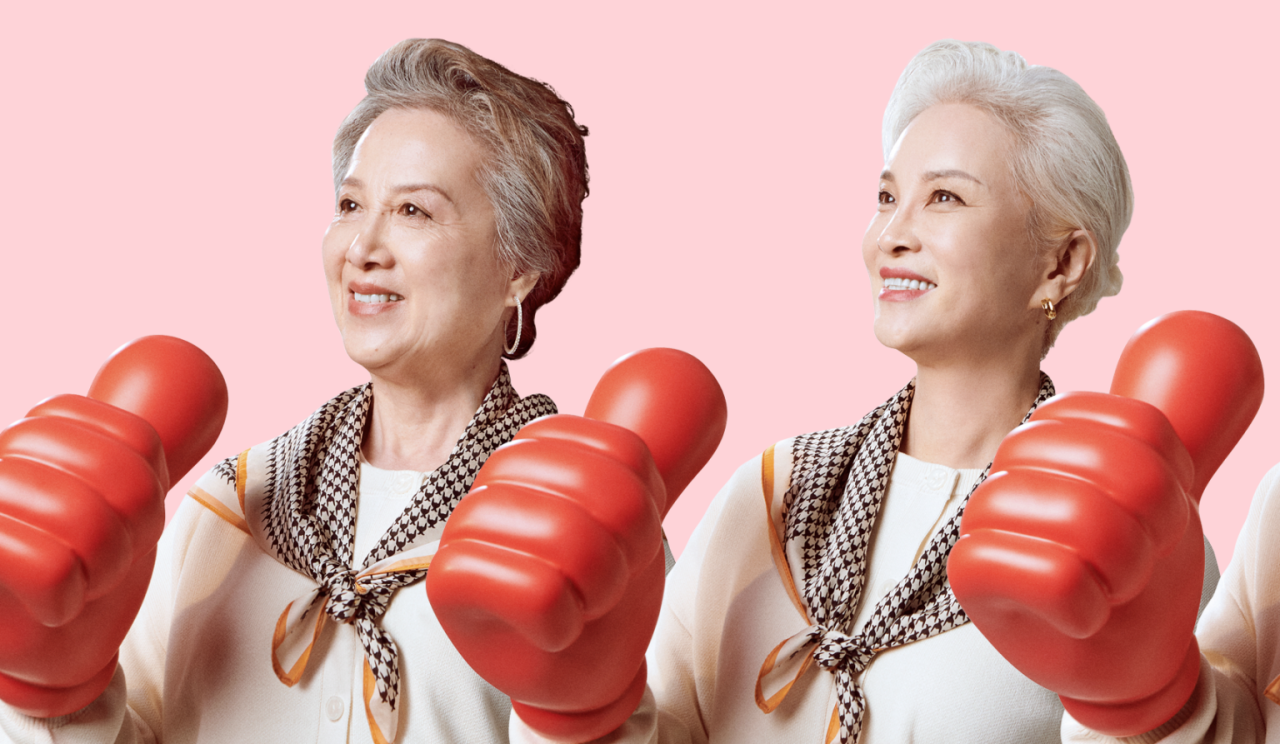
In the bustling parks of Beijing, Shanghai, and countless other Chinese cities, a quiet revolution unfolds each morning before the sun fully rises. Groups of elderly women, mostly grandmothers in their sixties, seventies, and even eighties, gather to practice tai chi, dance with colorful fans, or perform synchronized exercises that would impress any modern fitness instructor. These women, affectionately known as “Chinese grandmas,” have been practicing wellness traditions for decades, long before the term “wellness influencer” entered our vocabulary. They are the original wellness influencers, and their wisdom is finally getting the global attention it deserves.
The Rise of Modern Wellness Culture
Today’s wellness industry is worth over $4.5 trillion globally, with influencers on social media platforms promoting everything from kale smoothies to crystal healing. Instagram feeds overflow with photographs of perfectly arranged acai bowls, yoga poses on exotic beaches, and expensive supplements in aesthetically pleasing bottles. Young wellness enthusiasts spend thousands of dollars on retreats, organic products, and personalized health coaching. However, beneath this shiny, commercialized surface lies a simpler, more accessible truth about health and wellbeing that Chinese grandmothers have known and practiced for generations.
Who Are These Remarkable Women?
Chinese grandmothers, or “nainai” (奶奶) in Mandarin, represent a demographic that has survived famine, political upheaval, rapid industrialization, and unprecedented social change. Many grew up during times of scarcity when healthcare was limited and traditional remedies were often the only available option. Their wellness practices emerged not from privilege or commercial interests, but from necessity and centuries of accumulated cultural wisdom. These women are the living repositories of traditional Chinese medicine (TCM), qigong energy practices, and philosophical approaches to health that date back thousands of years.
Traditional Wellness Practices Passed Through Generations
The wellness routines of Chinese grandmothers are diverse and deeply rooted in cultural heritage. Understanding these practices provides valuable insights into sustainable, accessible health approaches.
Morning Rituals in Public Spaces
Every morning, Chinese parks transform into open-air wellness centers. Grandmothers arrive with thermoses of warm water, comfortable shoes, and an unwavering commitment to their daily practice. Unlike modern wellness influencers who often perform for cameras, these women engage in their routines with quiet determination and social connection. The park becomes a space for exercise, conversation, and community building all at once.
Tai Chi and Qigong Mastery
A. Tai Chi involves slow, deliberate movements that enhance balance, flexibility, and inner peace
B. Qigong combines breath control, gentle movement, and meditation to cultivate life energy (qi)
C. Both practices have been scientifically proven to reduce stress, improve cardiovascular health, and enhance immune function
D. Grandmothers often begin learning these practices in childhood and continue perfecting them throughout their lives
E. Many become informal teachers, passing techniques to younger generations and fellow seniors
These ancient movement practices differ dramatically from the high-intensity interval training (HIIT) and bootcamp workouts popular in Western fitness culture. While younger generations seek quick results and intense calorie burning, Chinese grandmothers prioritize sustainable, lifelong practices that work with the body rather than against it.
Dietary Wisdom and Food as Medicine
The Chinese grandmother’s kitchen operates like a well-equipped pharmacy. Food is never just food; it is medicine, comfort, tradition, and love combined. This philosophy, deeply embedded in Traditional Chinese Medicine (TCM), categorizes foods according to their energetic properties rather than merely their caloric or macronutrient content. Grandmothers understand that certain foods warm the body, others cool it, and balance is essential for optimal health.
Key Dietary Principles
A. Eating seasonally and locally to align with nature’s rhythms
B. Consuming bone broths rich in collagen and minerals for joint health
C. Incorporating medicinal herbs like goji berries, ginseng, and astragalus into daily meals
D. Balancing yin and yang foods to maintain bodily harmony
E. Preparing meals through methods like slow-cooking and steaming that preserve nutrients
F. Drinking warm or hot water throughout the day rather than iced beverages
G. Avoiding excessive consumption of raw foods which are believed to weaken digestion
H. Eating until 70-80 percent full to prevent overloading the digestive system
I. Using fermented foods like pickled vegetables to support gut health
J. Emphasizing soups and congee (rice porridge) as foundational healing foods
Modern wellness influencers often promote expensive supplements and exotic superfoods, but Chinese grandmothers achieve similar benefits with simple, affordable ingredients. Their approach demonstrates that healthy eating need not be complicated or costly.
Tea Culture and Herbal Remedies
Chinese grandmothers are master brewers of health-promoting teas. Green tea, oolong, pu-erh, and countless herbal infusions play central roles in daily wellness routines. Unlike the sugary bubble teas popular among today’s youth, grandmothers favor pure, bitter, and complex flavors that offer numerous health benefits.
Common Teas and Their Benefits
A. Green tea provides antioxidants and supports weight management
B. Chrysanthemum tea cools the body and benefits eye health
C. Ginger tea warms the body and aids digestion
D. Goji berry tea supports immune function and eye health
E. Pu-erh tea assists with digestion and weight management
F. Jasmine tea promotes relaxation and reduces stress
G. Hawthorn tea supports cardiovascular health
H. Lotus leaf tea aids in weight management and cooling
I. Rose tea soothes emotions and supports skin health
J. Kombucha tea (traditional fermented variety) supports gut health
These teas are typically consumed without sugar, allowing the natural medicinal properties to take effect. This practice stands in stark contrast to Western habits of adding sweeteners and creams that can negate health benefits.
Acupressure and Self-Massage Techniques
Before expensive massages and fancy wellness gadgets became popular, Chinese grandmothers relied on their own hands for therapeutic relief. Acupressure, the practice of applying pressure to specific points on the body, has been passed down through generations. Grandmothers know exactly which points to press for headaches, digestive issues, menstrual cramps, and joint pain. They teach their grandchildren these techniques, ensuring the knowledge survives.
Common self-massage practices include:
-
Tapping the top of the head to stimulate brain function
-
Rubbing the ears to activate numerous acupoints
-
Massaging the feet before sleep to improve circulation
-
Pressing the space between thumb and index finger for headache relief
-
Kneading the abdomen in circular motions to improve digestion
-
Patting the lower back to support kidney health
-
Rubbing the palms together to generate heat for healing touch
-
Stimulating the perineum point on the wrist for heart health
These simple, accessible techniques allow anyone to practice self-care without expensive equipment or professional appointments.
Social Wellness and Community Connection
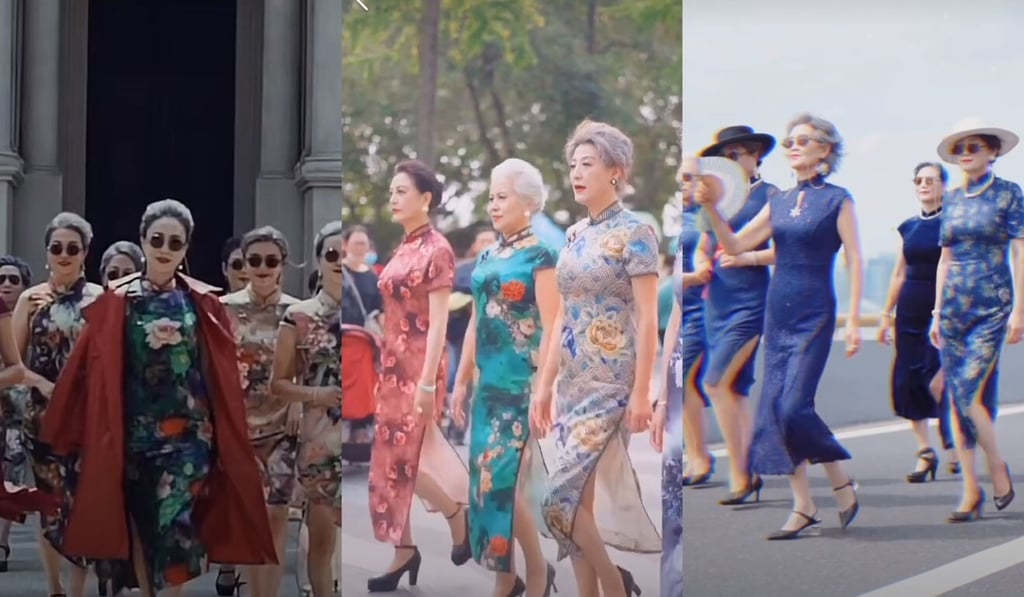
Perhaps the most overlooked aspect of Chinese grandmothers’ wellness practices is social connection. These women rarely exercise alone. They form communities, support networks, and friendships that contribute significantly to mental health and longevity. Group activities like square dancing, which has become a nationwide phenomenon among Chinese seniors, combine physical exercise with social bonding and creative expression.
The Social Wellness Framework
A. Group exercises create accountability and consistency
B. Shared activities reduce feelings of isolation and loneliness
C. Intergenerational knowledge transfer strengthens family bonds
D. Community celebrations foster collective joy and purpose
E. Collaborative meal preparation shares both food and cultural traditions
F. Group walking tours combine exercise with tourism and socializing
G. Card games and mahjong sessions exercise cognitive function while socializing
H. Gardening groups connect seniors with nature and each other
I. Volunteer activities provide meaning and social engagement
J. Religious and spiritual gatherings address existential and community needs
Modern wellness influencers often present health as an individual pursuit, but Chinese grandmothers understand that true wellness exists within community. Research consistently shows that social connection is one of the strongest predictors of longevity and life satisfaction.
The Science Behind Traditional Practices
Western science is increasingly validating what Chinese grandmothers have known for centuries. Studies on tai chi demonstrate significant benefits for balance, fall prevention, cognitive function, and chronic disease management. Research on traditional Chinese dietary patterns reveals lower rates of obesity, heart disease, and certain cancers compared to Western diets. The emphasis on fermented foods, for instance, has been validated by modern gut microbiome research.
Scientific Validations
A. Tai chi practice shows measurable improvements in bone density among elderly participants
B. Qigong breathing techniques reduce cortisol levels and inflammation markers
C. Green tea consumption correlates with lower rates of cardiovascular disease
D. Traditional Chinese dietary patterns support healthier gut microbiome diversity
E. Social engagement among seniors reduces dementia risk by up to 70 percent
F. Acupressure has been validated through neuroimaging studies showing brain activity changes
G. Fermented food consumption supports immune function through probiotic activity
H. Bone broth contains readily absorbable collagen and minerals for joint health
I. Herbal medicines demonstrate anti-inflammatory and antioxidant properties in clinical studies
J. Mind-body practices show comparable effectiveness to medication for certain chronic conditions
This growing body of scientific evidence helps bridge the gap between traditional wisdom and modern medical practice, making grandmothers’ knowledge more accessible and credible to younger generations.
Lessons for Modern Wellness Seekers
The Chinese grandmother approach to wellness offers valuable lessons for those overwhelmed by the complexity and cost of modern wellness culture.
Practical Lessons to Apply
A. Start each day with gentle movement rather than jumping into intense exercise
B. Prioritize whole foods over supplements whenever possible
C. Eat mindfully and stop before feeling completely full
D. Drink warm or room temperature beverages rather than ice-cold ones
E. Create daily rituals that promote consistency and mindfulness
F. Build community around wellness activities to stay motivated
G. Learn basic self-massage techniques for stress relief and pain management
H. Incorporate bone broths and soups into your weekly meal rotation
I. Practice deep breathing exercises during stressful moments
J. Embrace seasonal eating patterns to align with nature’s cycles
K. Cultivate patience with your body and health journey
L. Share wellness practices with family members across generations
M. Seek affordable, accessible health approaches rather than expensive alternatives
N. Honor tradition while remaining open to modern scientific insights
O. Recognize that mental, physical, and social health are deeply interconnected
These lessons demonstrate that wellness does not require financial resources, complex equipment, or specialized training. Simple, consistent practices yield significant benefits over time.
Preserving Ancient Wisdom in a Modern World
Despite growing interest in traditional wellness practices, these grandmothers face challenges in passing their knowledge to younger generations. Rapid urbanization has scattered extended families. Modern conveniences like processed foods and sedentary entertainment compete with traditional practices. Many grandchildren show more interest in social media than in learning ancestral health wisdom.
However, innovative programs across China are working to preserve and transmit this knowledge. Community centers offer free tai chi classes. Schools invite grandmothers to teach traditional cooking and medicine. Social media platforms feature elderly wellness influencers sharing their wisdom with millions of followers. These efforts help ensure that the grandmothers’ legacy continues.
A Movement Beyond Borders
The global wellness community is increasingly looking east for inspiration. Yoga, meditation, and Ayurveda have already established strong followings in Western countries. Now, practices like tai chi, qigong, and traditional Chinese dietary principles are gaining traction. International wellness retreats incorporate traditional Chinese practices. Western doctors recommend tai chi for patients with balance problems or chronic pain. Nutritionists study traditional Chinese food pairing principles.
This cross-cultural exchange benefits everyone. Chinese grandmothers gain recognition for their contributions. Western wellness seekers discover sustainable, accessible approaches to health. Traditional practices receive scientific validation that ensures their continued relevance. The fusion of ancient wisdom with modern knowledge creates a more holistic, integrated approach to wellness.
Conclusion

Chinese grandmothers are far more than charming cultural figures; they are pioneering wellness influencers who have maintained healthy lifestyles through practice, tradition, and wisdom for generations. Their approaches offer accessible, affordable, and scientifically validated paths to health that contrast sharply with expensive, complicated modern wellness trends. By learning from these remarkable women, we can reclaim wellness as a simple, everyday practice rooted in community, tradition, and respect for our bodies.
The grandmothers gathering in Chinese parks each morning represent a living library of health wisdom that deserves celebration and preservation. They remind us that true wellness flows from consistent practice, cultural continuity, and social connection rather than from consumer products and fleeting trends. As we navigate our own health journeys, we would do well to look to these original influencers for guidance, remembering that the best wellness practices are often those that have stood the test of time.