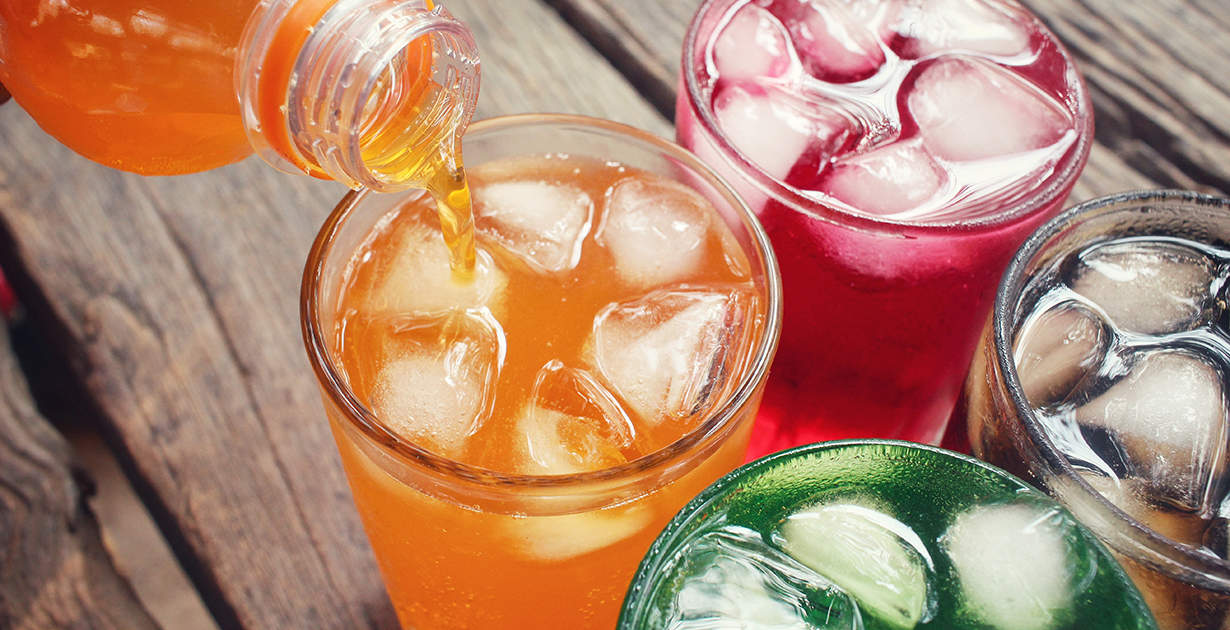
For decades, public health officials have warned about the dangers of sugary drinks. From weight gain and diabetes to heart disease, the evidence against these beverages has been mounting. However, a groundbreaking new study published in JAMA Network Open has uncovered a far more sinister risk associated with daily consumption of sugar-sweetened beverages (SSBs): a significantly increased risk of developing specific types of liver cancer . This revelation is a stark wake-up call, urging us to reconsider the true cost of our daily soda or sweet tea habit.
Liver cancer is a major global health crisis. It is currently the third leading cause of cancer death worldwide, and its incidence continues to rise while other major cancers see a decline . In the United States alone, over 30,000 people die from liver cancer annually . Traditionally, chronic hepatitis B and C infections were the primary drivers of this disease. However, with successful treatments for viral hepatitis, the landscape is shifting. Metabolic disorders, particularly Metabolic Dysfunction-Associated Steatotic Liver Disease (MASLD), formerly known as NAFLD, are projected to become the second leading cause of liver cancer-related deaths in the U.S. by 2032 . This shift highlights the critical role of lifestyle and dietary factors in the pathogenesis of liver cancer. The rising tide of obesity and diabetes, fueled in part by the overconsumption of added sugars, is creating a perfect storm for a surge in liver cancer cases.
The Study That Solidified the Link
The most compelling evidence linking sugary drinks to liver cancer comes from a major pooled analysis of 11 prospective cohort studies, encompassing data from over 1.5 million adults across the United States and Europe . This extensive research, led by Katherine McGlynn, PhD, of the National Cancer Institute, followed participants for a median of nearly 18 years, during which 2,811 incident cases of liver cancer were identified .
The findings were striking. While the study found no significant association between sugary drink consumption and overall liver cancer risk, the data painted a different picture when looking at specific subtypes. The analysis revealed that for every one-beverage-per-day increase in SSB intake, there was a 10% higher risk of hepatocellular carcinoma (HCC) , the most common type of liver cancer . Furthermore, this daily increase was linked to a 15% higher risk of intrahepatic cholangiocarcinoma (ICC) , a cancer of the bile ducts within the liver . These associations persisted even after researchers adjusted for other risk factors like obesity and type 2 diabetes, suggesting that the link between sugary drinks and these cancers is not solely mediated by weight gain or diabetes .
This data solidifies what earlier, smaller studies had only hinted at. For instance, a study within the European Prospective Investigation into Cancer and Nutrition (EPIC) cohort found that consuming more than six servings of soft drinks per week was associated with an 83% higher risk of HCC compared to non-consumers . The new pooled analysis provides a more definitive and nuanced picture by drilling down into the specific cancer subtypes and demonstrating a dose-response relationship: the more you drink, the higher the risk .
How Do Sugary Drinks Fuel Cancer?
While observational studies like this one cannot definitively prove causation, the biological mechanisms linking SSB consumption to liver cancer are plausible and well-supported by scientific research. The liver is a primary metabolic organ, and when we flood it with large amounts of sugar, particularly fructose, it can trigger a cascade of harmful events . These mechanisms can be broken down as follows:
A. Increased De Novo Lipogenesis (Fat Production):
Sugary drinks are a concentrated source of free sugars, often containing high-fructose corn syrup or sucrose. Fructose is metabolized almost exclusively in the liver. High fructose intake overwhelms the liver’s capacity, kicking off a process called de novo lipogenesis, where the liver converts sugar directly into fat . This leads to the accumulation of fat in the liver, the hallmark of MASLD (fatty liver disease).
B. Exacerbation of Insulin Resistance and Metabolic Dysfunction:
The constant overload of sugar and the subsequent fat accumulation in the liver contribute to insulin resistance, a condition where the body’s cells become less responsive to insulin . This can lead to higher insulin levels in the blood and pave the way for type 2 diabetes and systemic inflammation, both of which are established risk factors for liver cancer .
C. Gut Microbiome Alteration and Inflammation:
Emerging research suggests that high sugar intake can negatively alter the composition of the gut microbiome. This disruption can increase intestinal permeability, allowing harmful bacterial products and inflammatory molecules to reach the liver via the portal vein . This chronic inflammation creates a pro-carcinogenic environment within the liver.
D. Direct Carcinogenic Effects:
Researchers hypothesize that the association between SSBs and liver cancer may not be fully explained by metabolic changes alone. Additives, colorings, and preservatives commonly found in these drinks could increase the expression of genes related to inflammatory processes in the liver, potentially contributing to cancer development more directly .
These combined effects create a state of chronic oxidative stress and inflammation, which over time, can damage liver cells and increase the risk of mutations that lead to cancer .
The Truth About Diet Drinks
The study also examined the relationship between artificially sweetened beverages (ASBs) and liver cancer. This is a crucial question, as diet sodas are often chosen as a “healthier” alternative to their sugary counterparts. The World Health Organization’s (WHO) 2023 classification of aspartame (a common artificial sweetener) as “possibly carcinogenic to humans” has further fueled public concern and the need for clarity .
In this pooled analysis, the results were reassuring for diet drink consumers: there was no significant association between ASB consumption and the risk of liver cancer overall, or with HCC and ICC specifically . In minimally adjusted models, a link was observed, but this association disappeared entirely after accounting for metabolic risk factors like body mass index and diabetes . This suggests that people who consume more diet drinks may initially have higher rates of these metabolic conditions, but the artificial sweeteners themselves do not appear to be a major risk factor for liver cancer .
However, it is important to note that other studies have found conflicting results. The earlier EPIC study, for example, found that artificially sweetened soft drinks were associated with a 6% increase in HCC risk per serving increment . The more recent and much larger pooled analysis provides a more robust and up-to-date picture, offering some reassurance about ASBs. Yet, experts caution that “sugar-free” does not mean “metabolically neutral.” Replacing sugary drinks with diet versions is better, but relying on artificially sweetened beverages as a primary strategy for long-term health is not recommended . Water, unsweetened tea, or other zero-calorie, no-sweetener options remain the optimal choices.
Implications and Recommendations for Prevention
The findings of this study have significant implications for public health messaging and clinical practice. The evidence linking daily sugary drink consumption to a 10-15% increased risk of specific liver cancers is a powerful reason for individuals to reduce or eliminate SSBs from their diets. The study’s authors concluded that “based on this study and prior research associating SSB with adverse outcomes, individuals may benefit from reducing their intake of SSB” .
To put this into perspective, consider the global popularity and health impacts of these beverages:
-
Prevalence of Consumption: In the U.S., 65% of adults report consuming a sugar-sweetened beverage on any given day, making it a routine and widespread metabolic exposure .
-
A Leading Source of Added Sugar: SSBs are the single largest source of added sugars in the American diet, delivering concentrated sugar doses with minimal nutritional value and satiety .
-
Global Burden: The number of liver cancer cases worldwide is predicted to increase by approximately 55% by 2040, underscoring the urgent need for effective prevention strategies .
-
Not a Safe Dose: The risk appears to climb in a roughly linear fashion, meaning there is no identified “safe” cutoff. The risk increases per daily drink, reinforcing the recommendation to consume as little as possible .
Given these points, a clear strategy for risk reduction emerges. Public health bodies and the BMJ have recommended reducing consumption of free sugars to below 25 grams per day and limiting SSB intake to less than one serving per week .
Here are actionable steps you can take to protect your liver health:
1. Assess Your Intake: Start by keeping a log of all the sugary drinks you consume in a week. This includes soda, sweetened tea, fruit drinks (excluding 100% fruit juice), sports drinks, energy drinks, and sweetened coffee beverages.
2. Choose Superior Substitutes: When you crave a drink, opt for water, sparkling water, unsweetened tea, or black coffee. These have zero added sugars and don’t contribute to the risk.
3. Make Gradual Swaps: If you usually drink several sodas a day, cut back gradually. Replace one soda a day with a glass of water, then two, and so on. This makes the transition more sustainable.
4. Understand Beverage Labels: Learn to identify added sugars by their many names: high-fructose corn syrup, sucrose, glucose, fructose, maltose, dextrose, and fruit juice concentrates.
5. Limit 100% Fruit Juice: While it contains natural sugars, fruit juice still provides a large dose of fructose and can overload the liver in a similar way to SSBs if consumed in large quantities. Keep portions small (4-6 ounces) and prioritize eating whole fruits for the fiber.
Conclusion
The link between sugar-sweetened beverages and liver cancer is now more solid than ever. The landmark pooled analysis of over 1.5 million people demonstrates a clear association between daily SSB consumption and a 10-15% increased risk of two major liver cancer subtypes . While the path from sugary drink to cancer involves a complex interplay of fat accumulation, insulin resistance, and inflammation, the message is simple: reducing your intake of these beverages is a powerful and evidence-based step to lower your risk . The reassuring news is that diet drinks, in the context of this major study, do not appear to carry the same risk, but the healthiest choice remains water or other unsweetened beverages. As liver cancer rates continue to climb globally, making simple, informed dietary choices could be one of our most effective defenses against this silent and deadly disease .