
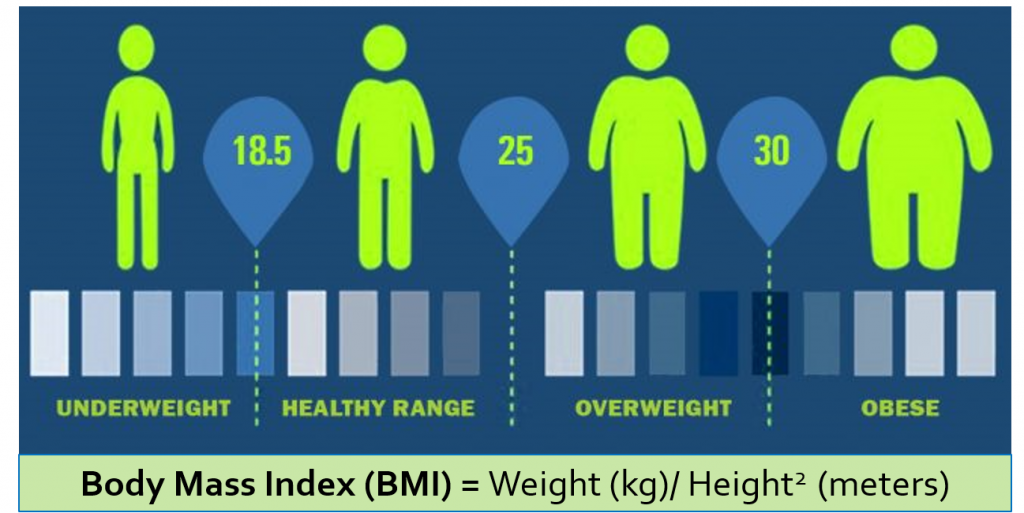
For decades, the medical community and the general public have relied on a simple, easy-to-calculate metric to assess health risks associated with body weight: the Body Mass Index (BMI). This number, derived from a person’s weight and height, has been the gold standard for categorizing individuals as underweight, normal weight, overweight, or obese. It has shaped public health policies, informed insurance premiums, and served as a primary warning signal for doctors worldwide.
However, a growing body of compelling research is challenging this long-held paradigm, revealing a startling and dangerous blind spot. The conventional wisdom that a “normal” BMI equates to good health is not only simplistic but can be dangerously misleading. A significant portion of the population, despite having a healthy BMI, carries a level of body fat that puts them at substantial risk for severe cardiometabolic diseases. This condition is known as Normal Weight Obesity (NWO), and it represents a hidden health crisis that is often overlooked because individuals simply do not “look” obese.
The core of the issue lies in the fundamental nature of what obesity truly is. By definition, obesity is an excess of body fat, not an excess of body weight. BMI is merely an indirect estimate of this fat, and it fails to differentiate between muscle mass, bone density, and actual fat tissue . This is a critical distinction. A muscular athlete might be classified as overweight or even obese based on their BMI, yet possess very low body fat and excellent metabolic health. Conversely, an individual with a sedentary lifestyle may have a normal BMI but a dangerously high proportion of body fat, particularly visceral fat stored around their organs .
This phenomenon is so prevalent that it has been termed the “obesity paradox with normal weight” . Research consistently indicates that relying solely on BMI is inadequate for identifying those at risk and can lead to a massive underestimation of the obesity epidemic and its associated health consequences. It is time to move beyond the outdated BMI framework and understand the more profound reality of body composition and its impact on our health.
The Shocking Statistics of Normal Weight Obesity
The numbers associated with NWO are far from negligible, painting a clear picture of a widespread public health issue. Several large-scale studies have quantified the prevalence of hidden obesity, demonstrating that a substantial percentage of the population with a “normal” BMI is, in fact, metabolically obese.
A. A Look at Recent Studies: The Data at a Glance
A pivotal cross-sectional study published in 2023 involving over 3,000 participants in Israel provides some of the most striking evidence. The researchers used a Dual-Energy X-ray Absorptiometry (DXA) scan, a gold-standard technique for measuring body composition, alongside traditional BMI measurements. The findings were alarming. Among those with a normal BMI (18.5–24.9 kg/m²), they found a wide and unpredictable distribution of body fat, ranging from a mere 4% to a staggering 49% .
When they applied the clinical cut-offs for excess adiposity—defined as 25% body fat for men and 35% for women—the results were definitive: a full 26% of the men and 38% of the women with a normal BMI were classified as having obesity based on their body fat percentage . This means more than one-third of women and a quarter of men who were given a clean bill of health based on their BMI were, in fact, carriers of a significant health risk.
A 2025 study utilizing data from the National Health and Nutrition Examination Survey (NHANES) further corroborates these findings, estimating that a significant portion of the U.S. adult population falls into this same category. The study classified 9.2% of the overall population as having NWO, which represented a staggering 30.5% of all individuals classified as having a normal BMI . This suggests that nearly one in three people considered to be at a healthy weight may actually be at risk.
The issue is not limited to total body fat; it also concerns the location of the fat. A comprehensive global study from 2025 looked at normal-weight abdominal obesity—a condition where a person has a normal BMI but an elevated waist circumference, a key indicator of dangerous visceral fat. Analyzing data from 471,228 participants across 91 countries, the study found that 21.7% of adults with a normal BMI had abdominal obesity . This is a massive population of people whose fat distribution puts them at high risk for conditions like heart disease and diabetes, even though their BMI is seemingly normal.
The prevalence varies significantly by region. In the Eastern Mediterranean region, the rate was a high 32.6%, whereas in the Western Pacific, it was 15.3% . In some countries, the situation is even more dire, with Lebanon reporting a prevalence of 58.4% . These data highlight that NWO is not a minor anomaly but a global and pervasive issue.
The problem is also seen in the “misclassification” that occurs when using BMI. A study on firefighters, a population with high muscle mass due to their physically demanding jobs, found that BMI overestimated obesity. Among those classified as obese by BMI, 73.3% were actually non-obese when assessed by their body fat percentage. Conversely, a significant portion of those defined as obese by their body fat percentage were missed by BMI . This shows that BMI misclassifies individuals on both ends of the spectrum, failing equally to identify hidden obesity and to recognize healthy muscular individuals.
The Cardiometabolic Consequences: Why It Matters

The statistics are concerning not just because of the numbers, but because of what those numbers represent: a significant and often unrecognized risk for serious health problems. Normal weight obesity is not a benign condition; it is directly linked to the same cardiometabolic disturbances seen in conventional obesity.
A. The Lipid and Inflammatory Link
Individuals with NWO often present with dyslipidemia, an unhealthy imbalance of lipids (fats) in the blood. The 2023 Israeli study highlighted that men with NWO had significantly higher levels of triglycerides (a type of fat) compared to their lean counterparts with the same BMI, with average levels being 101.2 mg/dL versus 76.5 mg/dL . They also exhibited elevated Low-Density Lipoprotein (LDL) cholesterol, often called “bad” cholesterol, and higher total cholesterol . Women with NWO also showed higher triglycerides .
Beyond lipids, NWO is strongly associated with systemic inflammation. Chronic, low-grade inflammation is a driver of many chronic diseases, including atherosclerosis and type 2 diabetes. The 2025 NHANES study provided a stark warning on this front. It found that individuals with NWO had over a 3-fold increased risk of elevated inflammation compared to people with a normal BMI and normal body fat . Specifically, the study measured high-sensitivity C-reactive protein (hs-CRP), a key biomarker for inflammation, and found that 29.2% of individuals with NWO had elevated levels, compared to only 10.9% in the healthy normal-weight group . This confirms that the excess fat tissue, even in the absence of excess weight, is metabolically active and promoting an inflammatory state.
B. The Direct Link to Chronic Disease
This unhealthy lipid profile and inflammation directly translate into a higher risk for chronic diseases. The global study on normal-weight abdominal obesity found that this condition was consistently associated with:
-
Hypertension (high blood pressure): Odds Ratio (OR) of 1.29 .
-
Diabetes: The risk was even more pronounced, with an Odds Ratio of 1.81 . This means people with normal-weight abdominal obesity had an 81% higher likelihood of having diabetes than those without it.
-
High Total Cholesterol: An OR of 1.39 .
-
High Triglycerides: An OR of 1.56 .
For context, an “Odds Ratio” is a measure of association between an exposure (like NWO) and an outcome (like diabetes). An OR of 1.8 means that for every person in the healthy group with diabetes, there are 1.8 people in the NWO group with it. This is a powerful statistical indicator of the increased risk.
Why BMI Fails: The Science of Its Inadequacy
The fundamental reason for the “Normal BMI, High Body Fat” phenomenon is that BMI is a crude tool that was never intended to be a measure of individual body fat. It is simply a mathematical formula—weight divided by height squared. Its simplicity is both its greatest asset and its most significant weakness.
A. BMI vs. Direct Measurement of Body Fat
A 2026 study presented at the European Congress on Obesity directly compared the BMI classification system with a gold-standard DXA scan in 1,351 adults. The findings were definitive and damning:
-
Misclassification of Overweight: More than half (53%) of those classified as overweight by BMI were re-categorized into a different group by DXA. Most were found to have a normal body fat percentage, while a quarter were actually obese .
-
Misclassification of Obesity: More than one-third (34%) of those classified as obese by BMI were, according to DXA, simply overweight .
-
Normal Weight Errors: Even in the normal-weight BMI category, 22% of individuals were placed in a different category by DXA, with 11.4% being reclassified as overweight .
While BMI is reasonably good at categorizing population averages, it has poor sensitivity at the individual level. The 2023 Israeli study noted that “the use of BMI to identify excess fat at the individual level has reasonable specificity but poor sensitivity, with approximately half the individuals with excessive body fat percentage, misclassified as non-obese” . Essentially, it misses about half of the people who are at risk because of their fat percentage.
The CDC has echoed this sentiment, noting that BMI cannot distinguish between lean muscle and fat, evaluate metabolic capacity, or provide information about adiposity-related organ dysfunction . A 2025 review in Reviews in Endocrine and Metabolic Disorders further explained that BMI does not capture regional fat distribution, such as visceral fat, which is a critical factor for assessing metabolic and cardiovascular risk .
B. The Paradigm Shift: Preclinical and Clinical Obesity
The growing awareness of these limitations has prompted a major shift in how experts are defining obesity. In response to the clear inadequacy of BMI, the 2025 Lancet Commission on Obesity proposed a new, more nuanced diagnostic framework . This framework moves beyond a single number to differentiate between:
-
Preclinical Obesity: This is defined as excess adiposity (high body fat) without evident organ dysfunction. The person is carrying excess fat but has not yet developed measurable impairments in tissue or organ function .
-
Clinical Obesity: This is a more severe state where the excess adiposity is directly causing measurable impairments in tissue or organ function or significant physical limitation .
This is a revolutionary step. It officially decouples the diagnosis of obesity from BMI and bases it on the actual presence of excess body fat and its consequences. The Commission recommended that obesity be assessed either by direct measurement of body fat (e.g., DXA scan) or by using at least two anthropometric measurements (such as BMI, waist circumference, waist-to-hip ratio, or waist-to-height ratio) to provide a more accurate picture .
Beyond BMI: The Need for Better Assessment
Given the overwhelming evidence against the exclusive use of BMI, a more comprehensive approach to health assessment is essential. Modern technology and a deeper understanding of body composition offer superior tools for measuring what truly matters.
A. Methods for Accurate Body Composition Analysis
Healthcare professionals and individuals alike should consider moving beyond the scale and tape measure to get a true picture of their health. Several advanced techniques are available:
-
Dual-Energy X-ray Absorptiometry (DXA or DEXA): Often considered the gold standard, DXA is a whole-body scan that can precisely measure bone density, lean muscle mass, and fat mass, including its distribution. It provides a highly detailed and accurate breakdown of body composition .
-
Bioelectrical Impedance Analysis (BIA): This is a more accessible and non-invasive method. BIA devices work by sending a low-level electrical current through the body. The resistance to this current is used to estimate body composition, including fat mass and fat-free mass . Modern scales often incorporate BIA, making this technology increasingly available for home use.
-
Computed Tomography (CT) and Magnetic Resonance Imaging (MRI): While more expensive and typically used for research or specific clinical diagnoses, these imaging modalities offer the highest precision in quantifying adipose (fat) and lean tissues, particularly allowing for precise measurement of visceral fat .
B. A Step-by-Step Guide for At-Risk Individuals
If you suspect you might be at risk for NWO, or if you simply want a more accurate assessment of your health, consider the following steps:
A. Assess your individual risk factors. This includes evaluating your lifestyle habits, such as diet, exercise, and sleep patterns. Consider your family history of metabolic diseases like type 2 diabetes and heart disease.
B. Request a comprehensive body composition analysis. Speak with your healthcare provider about getting a DXA scan or a BIA test. This will provide you with data on your actual body fat percentage, allowing you to see if you fall into the at-risk category (e.g., body fat >25% for men, >35% for women).
C. Go beyond the scale. Even without advanced tests, waist circumference is a powerful predictor of visceral fat and risk. A high waist circumference (≥80 cm for women, ≥94 cm for men in some studies) should be a clear warning sign, regardless of what the scale says.
D. Do not be complacent. If you have a normal BMI but are sedentary, have an unhealthy diet, or have a family history of chronic disease, do not assume you are healthy. Use these factors as a catalyst to get a more definitive assessment.
E. Consult a professional. A dietitian, nutritionist, or physician can help you interpret your body composition results and develop a personalized plan to reduce your body fat and improve your muscle mass, even if your weight does not need to change dramatically.
Conclusion
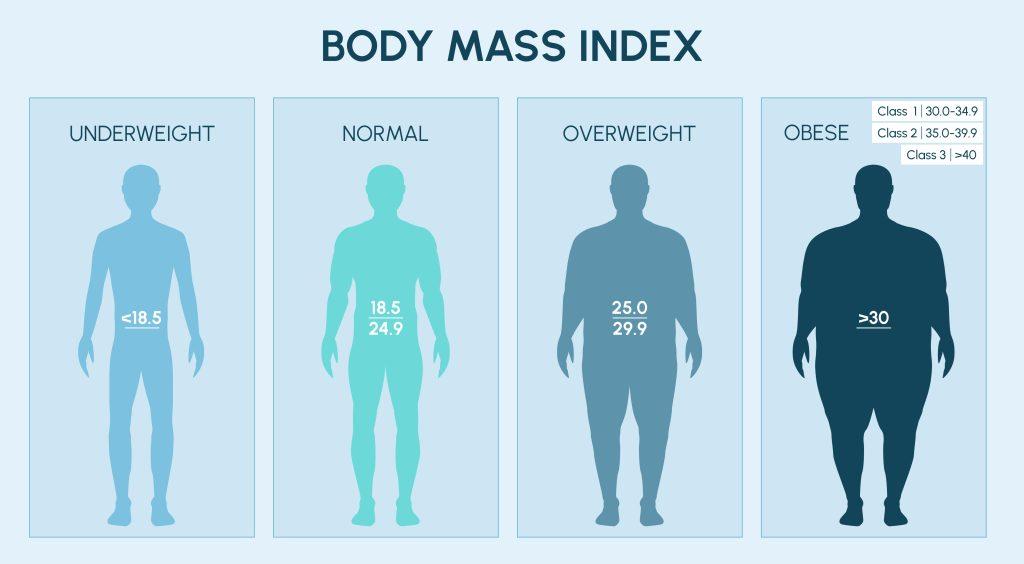
The message is clear: the number on the scale, when interpreted through the lens of BMI, is no longer sufficient to define health. The extensive data from numerous peer-reviewed studies converge on a single, urgent point—a normal BMI does not guarantee a healthy body. The hidden epidemic of Normal Weight Obesity affects a staggering proportion of the population, placing millions at an unrecognized and therefore unaddressed risk for inflammation, heart disease, diabetes, and other life-threatening conditions.
The reliance on BMI is a symptom of an outdated approach to health. The science is unequivocal: we must abandon BMI as a primary diagnostic tool and embrace direct measures of body composition as the new standard for evaluating metabolic risk. The shift by the Lancet Commission towards defining preclinical and clinical obesity based on actual fat mass and its impact on the body is a monumental step in the right direction.
For the individual, the takeaway is empowering. You are not necessarily healthy just because your weight is “normal.” True health is about what you are made of, not just how much you weigh. Embracing a lifestyle focused on reducing body fat, particularly visceral fat, and building lean muscle is the real path to reducing cardiometabolic risk. It is a call to action to look beyond BMI and to take a more sophisticated, evidence-based approach to our own health, ensuring that the hidden danger of normal weight obesity is finally brought into the light.