The relentless pursuit of longevity has led wellness enthusiasts down many paths, from biohacking to extreme diets. Yet, amidst the complexity, a simple, heartwarming trend has emerged: Nonna-Maxxing. This viral movement, championed by Gen Z, proposes that the secret to a long, healthy, and fulfilling life isn’t found in a pill or an app but in the daily habits of an Italian grandmother a “nonna.” While the term might be new, the practices are deeply rooted in tradition and are now gaining attention for their profound, science-backed health benefits. Nonna-Maxxing is more than an aesthetic; it’s a blueprint for a healthier, more connected existence that many are embracing as a powerful antidote to the pressures of modern life.
Understanding the Nonna-Maxxing Phenomenon
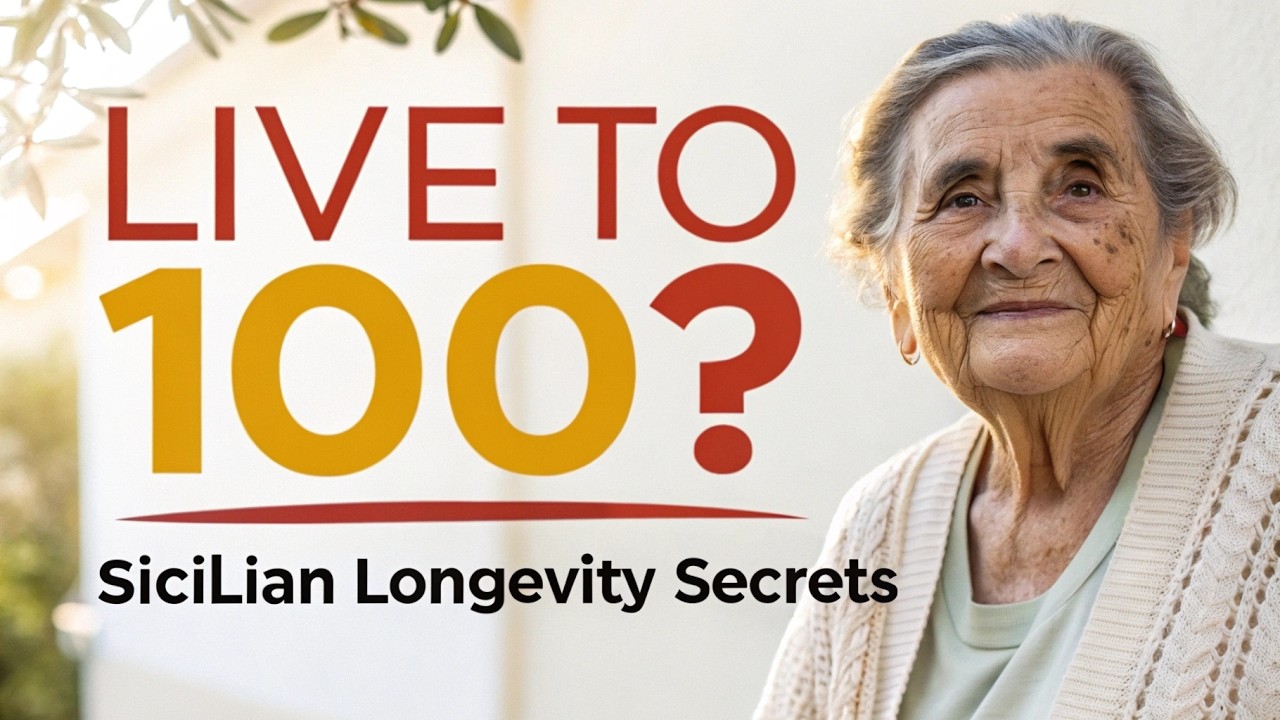
At its core, Nonna-Maxxing is about adopting the slower, more intentional lifestyle of an Italian grandmother . It’s a conscious shift away from the relentless hustle of modern culture towards a life centered on simple, meaningful activities. This includes cooking from scratch using fresh, seasonal ingredients, sharing long, unhurried meals with family and friends, tending to a garden, taking daily walks, and significantly reducing screen time . The trend resonates so strongly because it offers a tangible escape from the burnout of constant optimization and the pressure to turn one’s life into content . For a generation feeling the weight of a complex world, the nonna’s life represents a fantasy of warmth, groundedness, and unhurried peace .
The Scientific Foundation: Why Nonna-Maxxing Works
While the trend has gone viral on platforms like TikTok, its appeal is not superficial. The lifestyle habits celebrated by Nonna-Maxxing are directly linked to the practices found in “Blue Zones,” regions like Sardinia in Italy, where people live measurably longer and healthier lives . Italy consistently ranks among the countries with the highest life expectancy, and the patterns of movement, diet, and social connection observed in these areas form the bedrock of the Nonna-Maxxing philosophy . This gives the trend a solid foundation in longevity research, moving it beyond a fleeting internet joke to a genuinely beneficial lifestyle adjustment .
A. Physical Activity as a Way of Life
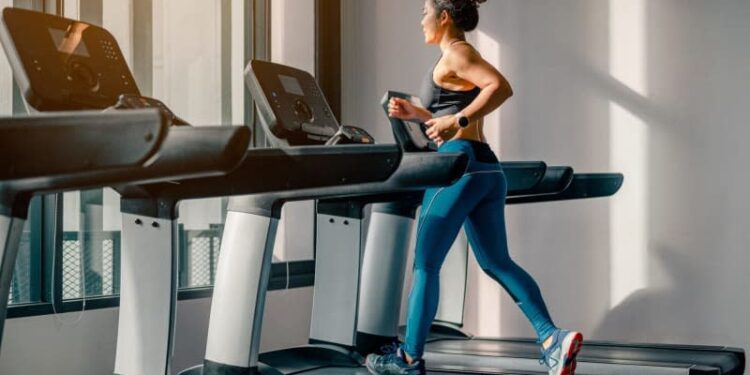
One of the most critical components of the nonna lifestyle is consistent, low-intensity movement. Italian towns are designed for walking, making it a part of daily life, not a chore to be scheduled . This isn’t about grueling gym sessions; it’s about weaving movement into the fabric of your day. Daniel Lieberman, a professor of Human Evolutionary Biology at Harvard University, emphasizes that “walking is the most fundamental form of human physical activity,” and hundreds of studies confirm it helps people age better . The research is clear: you don’t need to run marathons to reap the benefits. A 2020 study published in the American Journal of Preventive Medicine found that even just 15 minutes of brisk walking a day can significantly reduce the risk of premature death . As any nonna would demonstrate, a daily “passeggiata” (stroll) is a potent tool for longevity.
B. The Power of a Home-Cooked Mediterranean Diet
Nonna-Maxxing places a heavy emphasis on food: growing it, preparing it, and sharing it. This means a diet centered on fresh, seasonal produce, whole grains, legumes, and, of course, high-quality olive oil—the hallmarks of the Mediterranean diet . Antonino De Lorenzo, a professor emeritus of human nutrition, notes that the freshness, variety, and preparation of seasonal food significantly influence its nutritional profile and promote healthier aging . Cooking at home is not just about nutrition; it’s a mindful activity that provides a sense of accomplishment and is linked to better dietary habits overall . The act of creating a meal from scratch, as a nonna would, connects you to your food and fosters a healthier relationship with eating.
C. Social Connection and Purpose
Perhaps the most potent ingredient in the nonna’s recipe for longevity is community. Italian grandmothers are the pillars of their families and neighborhoods, deeply involved in caregiving, especially for their grandchildren . Licia Fertz, a 96-year-old Italian nonna, captures this sentiment perfectly: “I’m a great-grandmother, and every day spent with my great-granddaughter is a gift that never ceases to amaze me” . This active involvement provides a powerful sense of purpose, which research shows is crucial for preserving cognitive function and warding off depression . Studies indicate that grandparents who provide childcare score higher on memory and verbal fluency tests . Even for those without grandchildren, the principle of volunteering and staying socially engaged has been linked to lower mortality risk, increased optimism, and a stronger sense of purpose . As Fertz wisely states, boredom is “the one thing that truly makes you old,” and staying connected is the antidote .
D. Mindfulness and a Positive Mindset
The nonna lifestyle is a masterclass in mindfulness. It’s about savoring the moment, whether that means enjoying an espresso at a café without a phone, or simply taking a moment to appreciate the “dolce far niente”—the sweetness of doing nothing . This practice runs counter to the modern obsession with multitasking and productivity, which research suggests can actually increase stress levels . Furthermore, Nonna-Maxxing encourages a positive, accepting attitude towards aging. “Never think of yourself as old,” Fertz advises, “You are born young” . This sentiment is echoed by psychologist Sonja Lyubomirsky, who states that how we perceive aging matters. Viewing it as a time of wisdom and richness rather than decline is a choice that can impact our actual outcomes .
Practical Pitfalls and the Gen Z Connection
While the benefits of Nonna-Maxxing are clear, there is a touch of irony in its virality. It’s a trend that encourages logging off and enjoying real life, yet it’s being shared and discussed on social media . Psychotherapist Jonathan Alpert points out that the appeal for Gen Z, who are “burned out by the pressure to constantly optimize themselves,” lies in the fantasy of a life that is “grounded, warm, and unhurried” . The risk is that the trend becomes performative—people might share photos of their homemade pasta for likes without actually embracing the slower pace. As one expert notes, the aesthetic is the easy part, but the slower pace is the work . The goal is to live the values, not just curate the look.
How to Incorporate Nonna-Maxxing Into Your Life

You don’t need to move to an Italian village to start living like a nonna. The beauty of this trend is its accessibility.
-
Start Small: You can begin by cooking one meal a week from scratch, taking a 15-minute daily walk, or planting a small herb garden on a windowsill .
-
Prioritize Connection: Make a conscious effort to connect with loved ones in person. Put your phone away during meals and focus on the conversation. A phone call or voice message is a more potent way to connect than a text .
-
Be Present: Try to cultivate moments of “dolce far niente.” Spend 10 minutes outside doing nothing in particular. It might feel uncomfortable at first, but as therapist Chloë Bean explains, it takes time for a “nervous system that’s used to running hot” to learn that “slow is safe” .
Nonna-Maxxing isn’t just another wellness trend; it’s a return to fundamental principles of healthy living that have stood the test of time. By embracing the simplicity, connection, and mindfulness of an Italian grandmother, we might just unlock the secret to a longer, healthier, and infinitely more satisfying life. So, put down your phone, take a walk, and perhaps start cooking a meal for the ones you love the nonna way.