
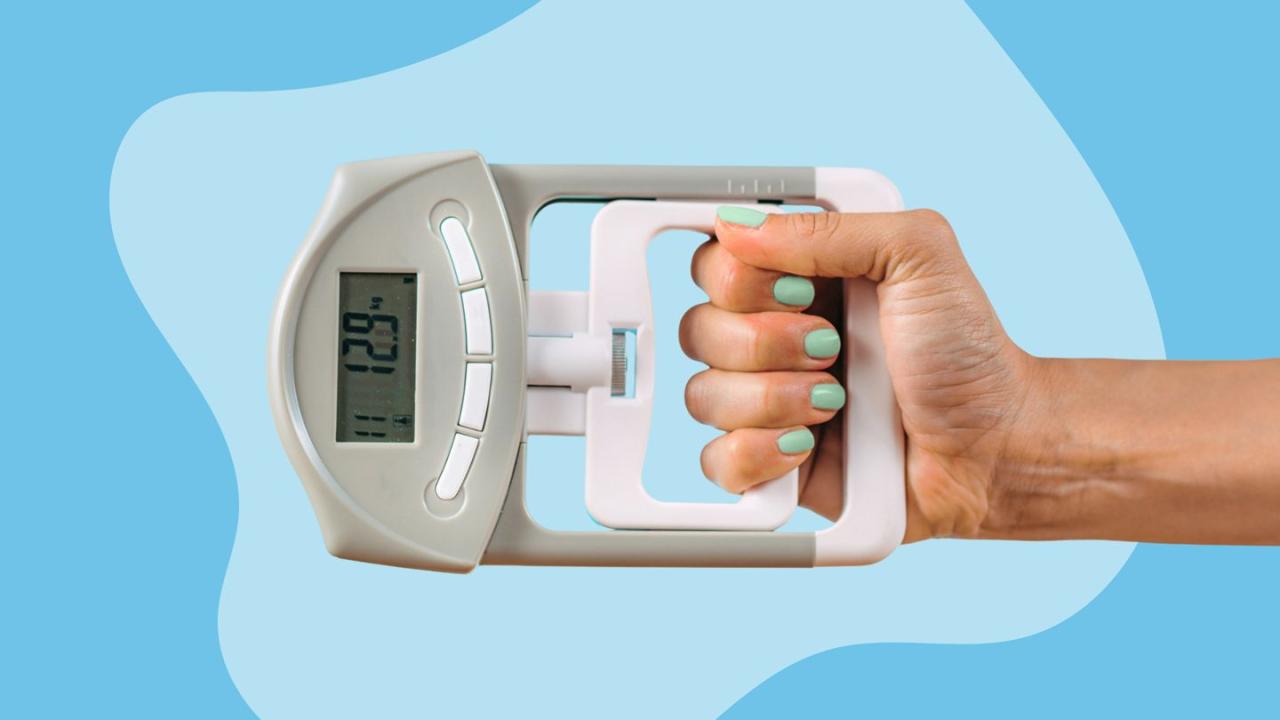
When we think about health and longevity, our minds typically drift toward familiar markers: blood pressure, cholesterol levels, body mass index, or perhaps our daily step count. We rarely consider the strength of our hands as a significant indicator of our overall well-being. Yet, emerging research suggests that grip strength might be one of the most powerful predictors of our future health outcomes and even our lifespan.
Grip strength is exactly what it sounds like – the amount of force your hand can generate when squeezing an object. It’s measured using a device called a dynamometer, which you might have encountered during a routine physical examination. But this simple measurement carries profound implications that extend far beyond your ability to open pickle jars or carry heavy grocery bags.
Recent scientific investigations have revealed compelling connections between grip strength and mortality risk, cognitive function, cardiovascular health, and overall physical resilience. This relationship has prompted researchers to ask a provocative question: Could grip strength be the new vital sign that healthcare providers should routinely monitor?
In this comprehensive exploration, we’ll delve into the fascinating science behind grip strength, examine what it really tells us about our health, and discover practical strategies to improve this often-overlooked aspect of fitness. Whether you’re young or old, physically active or sedentary, understanding the significance of grip strength could be the key to unlocking a longer, healthier life.
The Science Behind Grip Strength and Longevity
The relationship between grip strength and longevity isn’t merely coincidental – it’s rooted in solid scientific evidence. Over the past decade, numerous large-scale studies have demonstrated that individuals with weaker grip strength face significantly higher risks of premature death from various causes.
A landmark study published in the Lancet medical journal followed nearly 140,000 adults across 17 countries for an average of four years. The researchers discovered that each 5-kilogram decrease in grip strength was associated with a 16% increase in the risk of death from any cause, a 17% increase in cardiovascular death risk, and a 9% increase in stroke risk. These associations remained strong even after accounting for age, education level, and other health factors.
But why does hand strength correlate so strongly with longevity? The answer lies in what grip strength represents. It’s not just about muscles in your forearms and hands – it’s a proxy measure for overall muscle function and neurological health. When you squeeze a dynamometer, you’re activating a complex chain of events that involves your brain, nervous system, and multiple muscle groups working in coordination.
Grip strength reflects:
-
Total Muscle Mass: While it measures only hand strength, grip strength strongly correlates with overall muscle mass throughout the body. Sarcopenia, the age-related loss of muscle mass and function, typically affects all muscles proportionally. A weak grip often indicates widespread muscle decline.
-
Neurological Integrity: The ability to generate forceful contractions requires efficient communication between your brain and muscles. Declining grip strength can signal neurological issues, including the early stages of cognitive decline or neurodegenerative conditions.
-
Systemic Inflammation: Chronic inflammation, which contributes to numerous age-related diseases, impairs muscle function and reduces grip strength. Measuring grip can serve as an indirect indicator of inflammatory status.
-
Nutritional Status: Adequate protein intake, vitamin D, and various minerals are essential for muscle function. Poor nutrition often manifests in reduced grip strength.
-
Physical Activity Levels: Regular physical activity maintains muscle function, while sedentary behavior leads to decline. Grip strength reflects your overall activity patterns and physical resilience.
What the Research Reveals: Grip Strength as a Prognostic Tool
The predictive power of grip strength extends across various health conditions and populations. Let’s examine what research has uncovered about this remarkable health marker.
Cardiovascular Health
Numerous studies have established a strong inverse relationship between grip strength and cardiovascular disease risk. A meta-analysis of 15 studies involving nearly 250,000 participants found that individuals with stronger grip had significantly lower risks of heart attack, stroke, and heart failure. The researchers suggested that grip strength might be a more reliable predictor of cardiovascular events than traditional risk factors like systolic blood pressure.
This connection makes biological sense. The heart is a muscle, and overall muscular fitness reflects cardiovascular fitness. Furthermore, grip strength measurement captures elements of physical function that standard cardiovascular risk assessments miss, including frailty and functional decline.
Diabetes and Metabolic Health
Research has identified an interesting connection between grip strength and metabolic health. A study involving over 3,000 participants found that lower grip strength was associated with a higher prevalence of type 2 diabetes, even after controlling for body mass index and other risk factors. The mechanism appears to involve insulin sensitivity – stronger muscles typically demonstrate better glucose uptake and utilization.
More recently, researchers have discovered that grip strength can predict metabolic syndrome development, a cluster of conditions that increase heart disease, stroke, and diabetes risk. People in the lowest grip strength quartile were twice as likely to develop metabolic syndrome as those in the highest quartile.
Cognitive Function and Brain Health
Perhaps one of the most intriguing areas of grip strength research concerns its relationship with cognitive function. Multiple studies have demonstrated that weaker grip strength predicts faster cognitive decline and increased dementia risk.
A British study following over 4,000 older adults for eight years found that those with weaker grip strength experienced more rapid declines in memory, executive function, and processing speed. Another study from Sweden reported that middle-aged individuals with lower grip strength had a 60-70% higher risk of developing dementia later in life.
The brain-muscle connection works bidirectionally. Physical activity improves brain health, while neurological degeneration impairs muscle function. Grip strength may capture early signs of this process, providing a window into brain health before overt symptoms appear.
Respiratory Function
Surprisingly, grip strength also correlates with lung function. A study of over 4,000 adults found that grip strength was independently associated with forced vital capacity and forced expiratory volume, two key measures of respiratory health. The mechanism involves the shared muscular demands of breathing and the respiratory muscles’ dependence on overall muscle integrity.
Bone Health and Fracture Risk
Grip strength predicts bone mineral density and fracture risk, particularly in older populations. A meta-analysis of 12 studies found that lower grip strength was associated with a 40% higher risk of any fracture and a 50% higher risk of major osteoporotic fractures. This connection exists because muscle strength and bone density share common determinants, including hormonal factors, physical activity, and nutritional status.
Mental Health and Quality of Life
The grip strength-health connection extends beyond physical diseases to mental well-being. Research has shown that individuals with stronger grip strength report lower rates of depression and anxiety, better sleep quality, and higher overall quality of life. Physical capacity influences psychological state, and vice versa, creating a cycle where improving one aspect positively affects the other.
How Grip Strength Changes Throughout Life
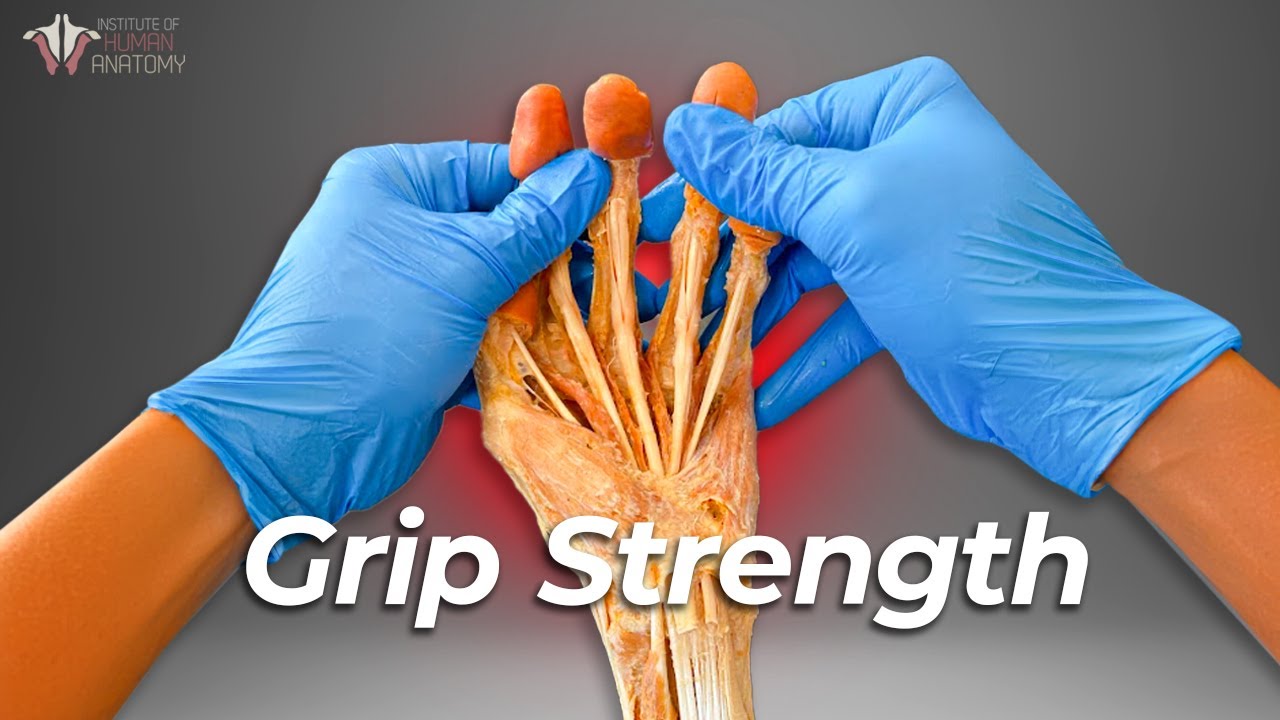
Grip strength follows a predictable pattern across the lifespan, with significant implications for health monitoring and intervention.
Childhood and Adolescence
Grip strength increases steadily throughout childhood and adolescence, peaking around age 30 in men and age 35 in women. During this developmental period, grip strength reflects overall growth, nutrition, and physical activity levels. Low grip strength in childhood has been linked to cardiovascular risk factors in adolescence, suggesting that early intervention might prevent later health issues.
Peak Adulthood
Young adults typically demonstrate their maximum grip strength, which averages around 45-50 kg for men and 28-32 kg for women in Western populations. This peak reflects optimal muscle mass, neurological function, and hormonal status. Maintenance of grip strength during this period is associated with better health outcomes in later life.
Age-Related Decline
After age 40, grip strength begins to decline gradually, with acceleration after age 60. The rate of decline is approximately 1.5% per year in the general population, though this varies significantly based on genetics, physical activity, nutrition, and health status. A faster-than-average decline serves as a warning sign for accelerated aging and increased health risks.
Factors Affecting Grip Strength Decline
Several factors influence how quickly grip strength declines with age:
A. Gender differences: Men typically maintain higher absolute grip strength but experience similar relative declines as women.
B. Occupational factors: Jobs requiring manual labor help maintain grip strength, while sedentary occupations accelerate decline.
C. Physical activity: Regular exercise, particularly resistance training, slows the natural decline in grip strength.
D. Nutritional status: Adequate protein intake and essential nutrients support muscle maintenance.
E. Chronic diseases: Conditions like arthritis, diabetes, and heart disease accelerate grip strength decline.
F. Hormonal changes: Declining testosterone and growth hormone levels contribute to muscle loss.
G. Medications: Some medications affect muscle function and may reduce grip strength.
H. Genetic factors: Heritability accounts for approximately 40-50% of grip strength variation.
Measuring Grip Strength: A Practical Guide
Understanding grip strength measurements requires familiarity with proper testing protocols and interpretation of results.
How to Measure Grip Strength
Clinical measurement of grip strength uses a hand dynamometer, a calibrated device that measures force in kilograms or pounds. The standard protocol involves:
A. The individual sits with their elbow at 90 degrees, forearm resting on the armrest.
B. The dynamometer is held like a suitcase, with the handle facing outward.
C. The individual squeezes with maximum effort for approximately 3 seconds.
D. Three measurements are taken from each hand, alternating between hands.
E. The highest reading from each hand is recorded.
F. Results are compared to age and gender-specific normative data.
Interpreting Your Grip Strength Scores
Grip strength results vary significantly based on age, gender, and body size. Here are general guidelines for interpreting scores:
For Adult Men:
-
Excellent: >55 kg
-
Good: 45-55 kg
-
Average: 35-44 kg
-
Below average: 30-34 kg
-
Poor: <30 kg
For Adult Women:
-
Excellent: >35 kg
-
Good: 28-35 kg
-
Average: 22-27 kg
-
Below average: 18-21 kg
-
Poor: <18 kg
These numbers are general guidelines; specific cutoffs vary by population and measurement protocol. For clinical purposes, tracking changes over time is more informative than comparing to population averages.
When to Consider Grip Strength Testing
Grip strength testing is particularly valuable in several situations:
A. Routine health screenings: Including grip strength in annual physicals can track health trends.
B. Frailty assessment: Older adults benefit from regular grip strength monitoring.
C. Rehabilitation monitoring: Patients recovering from injury or illness can track progress.
D. Pre-surgical evaluation: Grip strength predicts surgical outcomes and recovery time.
E. Sports performance: Athletes monitor grip strength to track training effectiveness.
F. Occupational health: Workers in physically demanding jobs benefit from monitoring.
G. Nutritional assessment: Grip strength reflects protein status and nutritional adequacy.
H. Cognitive health screening: Changes in grip strength may warrant cognitive evaluation.
Effective Strategies to Improve Grip Strength
The good news is that grip strength is trainable at any age. Whether you’re looking to improve your health markers or enhance your physical performance, these strategies can help.
Direct Hand Exercises
Targeting the muscles of the hand and forearm directly yields the most significant grip strength improvements. These exercises can be performed at home with minimal equipment.
A. Hand grippers: Using hand grippers like Captains of Crush or similar devices provides progressive resistance training. Start with a gripper you can close for 8-12 repetitions, then progress to heavier resistance.
B. Finger extensions: Place rubber bands around your fingers and spread them apart. This exercise targets the extensor muscles, which are often neglected compared to flexors.
C. Wrist curls: Using dumbbells or resistance bands, perform wrist curls with your forearm resting on a bench or your thigh. Include both flexion and extension movements.
D. Reverse wrist curls: While seated, rest your forearms on your thighs with palms facing down. Curl the weight upward using only wrist movement.
E. Farmer’s walks: Carry heavy dumbbells or kettlebells in both hands and walk for a set distance or time. This exercise builds grip endurance.
F. Dead hangs: Hang from a pull-up bar for as long as possible. This challenges grip endurance and provides shoulder and back benefits.
G. Plate pinches: Hold weight plates together using only your fingers and thumb. This builds pinch strength, which is important for overall hand function.
H. Towel wringing: Wring water from a wet towel – this functional exercise works multiple grip patterns.
Whole-Body Training Approaches
Grip strength responds well to overall resistance training, which builds total muscle mass and neurological adaptations.
A. Deadlifts: This foundational exercise challenges grip strength while building overall muscle mass.
B. Pull-ups and chin-ups: These require significant grip strength and can be progressed by adding weight.
C. Rows: Various rowing variations strengthen the back and challenge grip.
D. Shrugs: Carrying heavy weights for shrugs improves grip endurance.
E. Loaded carries: Beyond farmer’s walks, variations like suitcase carries and rack carries challenge grip.
F. Kettlebell swings: The dynamic nature of kettlebell swings builds grip strength and overall power.
Nutritional Support for Grip Strength
Proper nutrition supports muscle function and grip strength improvement.
A. Protein: Aim for 1.6-2.2 grams of protein per kilogram of body weight daily, distributed across meals.
B. Creatine: This supplement has been shown to improve grip strength when combined with resistance training.
C. Vitamin D: Adequate vitamin D supports muscle function and overall health.
D. Magnesium: This mineral plays a crucial role in muscle contraction.
E. Zinc: Essential for muscle protein synthesis and repair.
F. Omega-3 fatty acids: These reduce inflammation and support muscle function.
G. Hydration: Even mild dehydration impairs muscle function and grip strength.
Lifestyle Factors That Support Grip Strength
Beyond specific exercises, several lifestyle factors contribute to maintaining and improving grip strength.
A. Sleep quality: Adequate sleep supports muscle recovery and hormone production.
B. Stress management: Chronic stress increases cortisol, which breaks down muscle tissue.
C. Smoking cessation: Smoking impairs circulation and accelerates muscle loss.
D. Alcohol moderation: Excessive alcohol consumption interferes with muscle protein synthesis.
E. Regular physical activity: Overall activity levels support grip strength maintenance.
F. Hand use: Using your hands for varied activities maintains dexterity and strength.
Training Guidelines for Different Populations
Different age groups and populations should approach grip training differently.
For Younger Adults (20-40 years):
-
Focus on progressive overload with heavy resistance
-
Include both grip strength and endurance training
-
Train grip 2-3 times per week
-
Combine grip work with overall resistance training
For Middle-Aged Adults (40-60 years):
-
Emphasize joint-friendly exercises
-
Include more endurance work to support function
-
Address grip strength as part of overall health maintenance
-
Monitor recovery carefully
For Older Adults (60+ years):
-
Focus on functional exercises
-
Prioritize safety and form
-
Include grip work in daily activities
-
Consider lighter resistance with higher repetitions
For Athletes:
-
Sport-specific grip training
-
Periodized training cycles
-
Balance grip strength with grip endurance
-
Address sport-specific hand positions
Grip Strength and Specific Health Conditions
Understanding how grip strength relates to various health conditions helps contextualize its importance.
Cardiovascular Disease
Grip strength serves as an early warning system for cardiovascular disease. Low grip strength predicts heart attack and stroke risk independently of traditional risk factors. People with grip strength in the bottom quartile face approximately 50% higher cardiovascular risk than those in the top quartile.
The mechanisms behind this connection include:
A. Muscle function: Cardiac muscle health correlates with skeletal muscle health.
B. Inflammation: Both cardiovascular disease and low grip strength share inflammatory pathways.
C. Metabolic health: Grip strength reflects insulin sensitivity and metabolic function.
D. Physical activity: Low grip strength indicates sedentary behavior, a cardiovascular risk factor.
Diabetes Prevention and Management
Grip strength measurements can identify individuals at risk for diabetes and guide prevention efforts.
A. Screening: Low grip strength can identify prediabetic individuals before blood sugar elevation.
B. Monitoring: Grip strength changes can reflect diabetes progression or improvement.
C. Intervention target: Improving grip strength through resistance training improves glucose metabolism.
D. Complication prediction: Low grip strength predicts diabetes complications like neuropathy.
Cognitive Decline Prevention
Grip strength’s connection to cognitive health makes it a valuable tool for brain health monitoring.
A. Early detection: Declining grip strength may precede cognitive symptoms by years.
B. Prevention: Maintaining grip strength through exercise supports brain health.
C. Risk stratification: Grip strength helps identify individuals needing cognitive screening.
D. Prognosis: Grip strength predicts cognitive decline trajectory.
Musculoskeletal Health
Grip strength provides insights into broader musculoskeletal health.
A. Osteoporosis risk: Low grip strength predicts bone density loss and fracture risk.
B. Arthritis progression: Grip strength changes reflect arthritis severity and progression.
C. Fall risk: Low grip strength correlates with balance deficits and fall risk.
D. Functional decline: Grip strength predicts overall functional ability in older adults.
Respiratory Health
The grip strength-respiratory connection offers insights into pulmonary function.
A. COPD risk: Low grip strength predicts COPD development and progression.
B. Respiratory muscle function: Grip strength reflects respiratory muscle integrity.
C. Exercise capacity: Grip strength predicts functional exercise capacity.
D. Outcome prediction: Grip strength predicts respiratory hospitalization risk.
Practical Applications: Using Grip Strength for Better Health
Understanding grip strength’s significance enables practical health applications.
Home Monitoring
Grip strength can be monitored at home with affordable dynamometers. Regular measurement can track health trends and provide early warning of decline.
A. Monthly measurements: Track changes over time using consistent technique.
B. Record keeping: Note measurements, exercise routines, and lifestyle factors.
C. Trend monitoring: Watch for significant declines that might warrant medical attention.
D. Motivation: Use improvements as positive feedback for lifestyle changes.
Setting Health Goals
Grip strength provides concrete health goals that are easy to measure and track.
A. Improvement goals: Aim to improve grip strength by 5-10% over 3 months.
B. Maintenance goals: Work to maintain grip strength during aging.
C. Comparison goals: Aim to reach age and gender-specific average or above.
D. Functional goals: Achieve grip strength sufficient for daily activities.
Integrating Grip Strength in Wellness Programs
Grip strength measurement can enhance workplace and community wellness programs.
A. Screening: Include grip strength in health risk assessments.
B. Programming: Offer grip strength training in fitness programs.
C. Evaluation: Use grip strength to evaluate program effectiveness.
D. Education: Teach participants about grip strength-health connections.
Healthcare Applications
Healthcare providers can incorporate grip strength into clinical practice.
A. Vital sign: Consider grip strength as a sixth vital sign.
B. Risk stratification: Use grip strength to identify high-risk patients.
C. Treatment monitoring: Track grip strength during interventions.
D. Prognosis: Use grip strength to predict outcomes and guide care.
Common Misconceptions About Grip Strength
Addressing misconceptions helps people properly interpret and utilize grip strength information.
Misconception 1: Grip Strength Only Matters for Athletes
Grip strength is relevant to everyone, regardless of athletic status. For non-athletes, grip strength serves as an accessible health marker that reflects overall physical function. Even sedentary individuals benefit from understanding their grip strength.
Misconception 2: Grip Strength Is Genetic and Cannot Be Changed
While genetics influence baseline strength, grip strength is highly trainable. Research shows significant improvements possible with appropriate training at any age. Even older adults can improve grip strength with consistent exercise.
Misconception 3: Grip Strength Only Reflects Hand Health
Grip strength reflects far more than hand health. It serves as a proxy for total body muscle mass, neurological function, and overall health status. Low grip strength often indicates problems elsewhere in the body.
Misconception 4: Only Hand Exercises Improve Grip Strength
Whole-body resistance training improves grip strength by building overall muscle mass and neurological function. Compound exercises that challenge grip while building total strength are particularly effective.
Misconception 5: Grip Strength Decline Is Inevitable with Aging
While some decline is natural, maintaining grip strength through resistance training is possible throughout life. Individuals who remain active experience much less decline than sedentary peers.
The Future of Grip Strength Research
Ongoing research continues to expand our understanding of grip strength.
Emerging Research Areas
A. Genetic studies: Identifying genes that influence grip strength and longevity.
B. Epigenetics: Understanding how lifestyle factors affect grip strength expression.
C. Neurological mechanisms: Clarifying brain-muscle connections in grip strength.
D. Clinical applications: Developing grip strength-based clinical protocols.
E. Population studies: Investigating grip strength in diverse populations.
Technological Developments
A. Smart dynamometers: Devices that track grip strength over time and provide feedback.
B. Wearable integration: Grip strength monitoring through wearable technology.
C. AI analysis: Machine learning to interpret grip strength patterns.
D. Telemedicine applications: Remote grip strength monitoring for patients.
Conclusion: Why Grip Strength Deserves Your Attention

Grip strength represents far more than just hand power – it’s a window into your overall health and a practical predictor of your longevity. The scientific evidence overwhelmingly supports grip strength’s value as a health marker that deserves attention alongside traditional measurements like blood pressure and cholesterol.
The beauty of grip strength as a health indicator lies in its accessibility. You don’t need expensive equipment or specialist knowledge to understand your grip strength and take action. A simple hand dynamometer, available for under $50, provides you with valuable health information that can guide lifestyle decisions.
Equally important is the trainability of grip strength. Unlike some health markers that seem resistant to change, grip strength responds to consistent effort. Whether you’re starting from a low baseline or seeking to maintain peak function, appropriate training can yield meaningful improvements.
The connection between grip strength and multiple aspects of health – cardiovascular, metabolic, cognitive, and functional – means that improving this single parameter supports multiple dimensions of well-being. It truly is a case of one action producing multiple benefits.
As research continues to uncover the full scope of grip strength’s health implications, the case for its inclusion in routine health monitoring becomes ever stronger. By paying attention to this simple measurement, you gain insight into your current health status and your potential trajectory – knowledge that empowers proactive health management.
The message is clear: your hands tell a story about your health that extends far beyond their immediate function. Listening to that story – through regular grip strength monitoring and appropriate action – might just be one of the most valuable things you can do for your long-term health and longevity. Take the time to assess your grip strength, understand what it tells you, and take steps to improve it. Your future self will thank you for the investment in your health today.