

Childhood obesity has emerged as one of the most pressing public health challenges of the twenty-first century. Across developed and developing nations alike, the prevalence of overweight and obese children has reached alarming levels. While the immediate consequences of excess weight such as diabetes, cardiovascular strain, and joint problems are well-documented, an equally concerning but less discussed outcome is the profound impact that surplus body fat has on pubertal timing. Recent endocrinological research has established a clear and concerning link between elevated body mass index during childhood and the premature onset of puberty, particularly among girls. This connection represents not merely a statistical curiosity but a genuine health crisis with far-reaching implications for physical development, psychosocial adjustment, and long-term disease risk.
Understanding the Biological Connection Between Adiposity and Puberty
The relationship between body fat and reproductive maturation is not coincidental but rather deeply embedded in human evolutionary biology. Adipose tissue, far from being passive storage for excess calories, functions as an active endocrine organ that secretes numerous hormones and signaling molecules. Among the most critical of these is leptin, a protein hormone that plays a pivotal role in regulating energy balance and, crucially, serves as a metabolic signal to the brain regarding the body’s energy reserves.
Leptin production correlates directly with adiposity the more fat tissue a child carries, the higher their circulating leptin levels. This hormone acts upon the hypothalamus, particularly upon gonadotropin-releasing hormone (GnRH) neurons, which serve as the master regulators of the reproductive axis. When leptin concentrations reach a certain threshold, the hypothalamus interprets this as evidence that the body possesses sufficient energy stores to support the metabolically demanding process of reproduction. Consequently, the pulsatile release of GnRH increases, stimulating the pituitary gland to produce luteinizing hormone and follicle-stimulating hormone, which in turn activate the gonads and initiate the physical changes of puberty.
In children with excess weight, this system effectively receives an amplified signal. The elevated leptin levels from increased adipose tissue deceive the brain into perceiving that the child has reached an appropriate developmental stage for sexual maturation, even when chronological age suggests otherwise. This premature activation of the hypothalamic-pituitary-gonadal axis results in early pubertal development that is biologically inappropriate for the child’s actual age.
The Stark Gender Differences in Early Puberty Risk
Perhaps the most striking aspect of the obesity-puberty connection is the pronounced gender disparity. While both boys and girls with excess weight face heightened risks of early puberty, the relationship is considerably more robust and consistent among females. Research consistently demonstrates that girls with higher body mass indices experience menarche the first menstrual period significantly earlier than their leaner counterparts. Studies from multiple populations have confirmed this association, with some investigations indicating that girls in the highest weight percentiles may begin menstruating up to one full year earlier than girls of normal weight.
This gender difference stems from several biological factors. Estrogen, the primary female sex hormone, is partially synthesized in adipose tissue through the aromatization of androgens. Consequently, girls with greater body fat have higher circulating estrogen levels independent of ovarian production, further amplifying the signals that promote pubertal progression. Additionally, the mechanisms by which leptin influences the reproductive axis appear to be particularly sensitive in females, potentially reflecting evolutionary adaptations related to the substantial energy demands of pregnancy and lactation.
For boys, the relationship between weight and pubertal timing is more complex and somewhat paradoxical. While severe obesity in boys is associated with earlier puberty in some studies, moderate obesity may actually delay testicular enlargement and other signs of male pubertal development. This divergent pattern likely relates to the suppressive effects of estrogen on the male reproductive axis, as excess adipose tissue in boys leads to increased estrogen production that can inhibit gonadotropin secretion and slow testicular maturation. However, despite this more complicated picture, obese boys remain at elevated risk for certain pubertal complications, including gynecomastia (breast tissue development) and reduced testosterone levels during adolescence.
The Precocious Puberty Epidemic: A Statistical Overview
The statistical evidence linking childhood obesity to early puberty has accumulated rapidly over the past two decades. Large-scale epidemiological studies have consistently demonstrated declining ages of pubertal onset across multiple populations, with the trend most pronounced among children with higher weight status. Data from the National Health and Nutrition Examination Survey in the United States revealed that the average age of menarche decreased by approximately three months per decade between the 1960s and early 2000s, with the most significant declines observed among African American and Hispanic girls, groups that also experience disproportionately high rates of childhood obesity.
International research has corroborated these findings. A landmark study tracking over 1,200 girls from diverse ethnic backgrounds found that those with a body mass index above the 85th percentile at age five were nearly twice as likely to experience breast development before age nine compared to girls with healthy weight. Similarly, longitudinal investigations in European populations have documented that each unit increase in childhood BMI correlates with an approximately 0.1-year reduction in the age of pubertal onset. These associations remain significant even after controlling for confounding factors such as socioeconomic status, maternal age at menarche, and physical activity levels.
The magnitude of this effect is clinically meaningful. A girl with obesity at age eight faces a substantially elevated probability of beginning puberty within the subsequent year, whereas her normal-weight counterpart is considerably more likely to experience pubertal onset at a developmentally appropriate age. This acceleration is not merely a matter of months but can represent a shift of one to two years in developmental timing, with corresponding implications for growth, bone health, and psychosocial functioning.
Physiological Consequences of Early Puberty in Overweight Children
The premature onset of puberty in children with excess weight triggers a cascade of physiological changes that can have enduring health implications. One of the most immediate concerns relates to linear growth and final adult height. During puberty, the growth plates of the long bones undergo rapid expansion under the influence of sex hormones and growth hormone, followed by eventual closure when estrogen levels reach a critical threshold. Children who enter puberty early experience this growth spurt prematurely and, because their growth plates close earlier than average, they typically achieve shorter adult stature than they would have otherwise attained.
This pattern of early growth acceleration followed by premature cessation results in a characteristic growth trajectory for overweight children who experience early puberty. They tend to be tall for their age during elementary school years but fall short of their genetic height potential by late adolescence. Research indicates that girls who experience early menarche may lose as much as 5 to 7 centimeters of potential adult height compared to those with normal pubertal timing.
Beyond height implications, early puberty in the context of obesity creates a particularly problematic metabolic environment. The combination of excess adiposity and elevated sex hormone levels appears to accelerate the development of insulin resistance, setting the stage for type 2 diabetes, dyslipidemia, and cardiovascular disease. Children who mature early show higher fasting insulin levels and poorer glucose tolerance than their peers, and these metabolic derangements tend to persist into adulthood, increasing long-term disease risk.
Furthermore, the premature exposure to sex hormones has been linked to increased risk of hormonally sensitive cancers later in life. Epidemiological studies have consistently identified early menarche as a risk factor for breast cancer, with each year of delayed onset reducing risk by approximately 5%. The biological mechanism appears to involve cumulative lifetime exposure to estrogen; earlier menarche extends the total duration of estrogen exposure, potentially promoting the development of estrogen-sensitive malignancies.
Psychosocial and Emotional Challenges
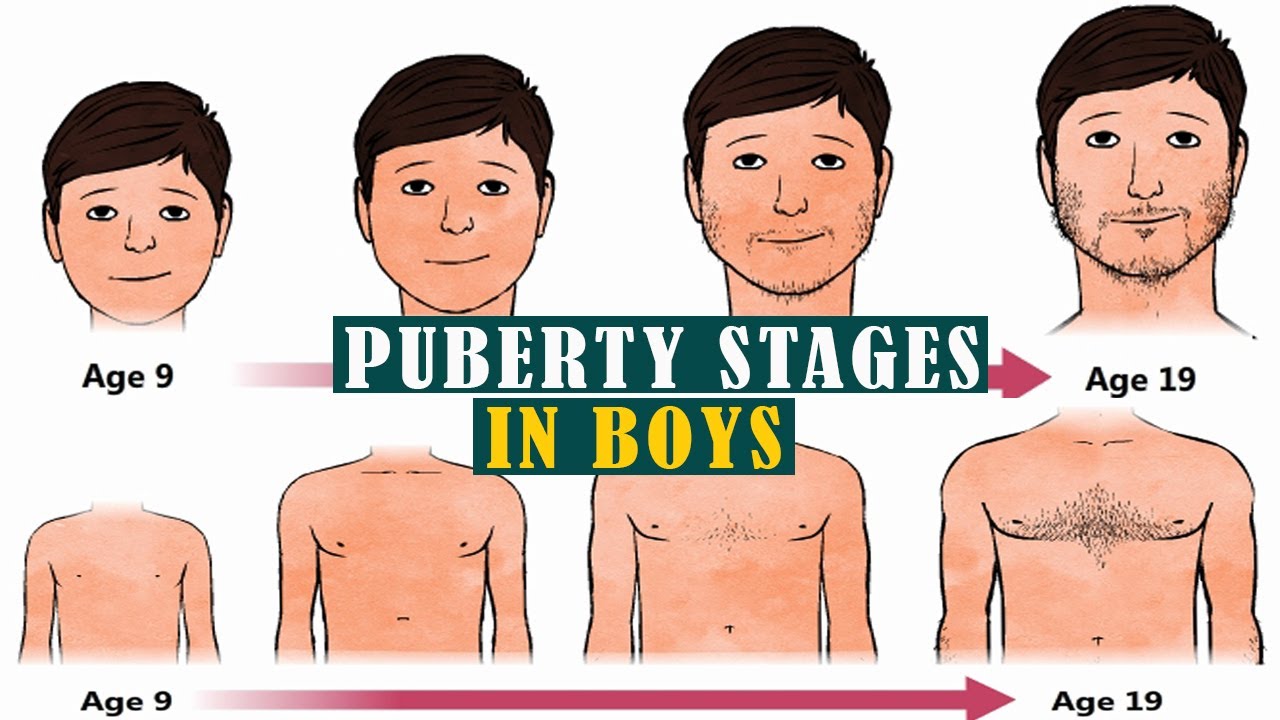
The psychosocial consequences of early puberty in overweight children are equally concerning and often overlooked. Children who mature earlier than their peers face unique social and emotional challenges that can persist long after their peers catch up developmentally. The physical changes of puberty—breast development in girls, voice deepening and facial hair in boys—make early-maturing children appear older than their chronological age. This physical maturity can lead adults and peers to hold them to higher behavioral expectations, exposing them to social situations for which they lack emotional readiness.
For overweight children, the combination of early physical maturation and excess weight creates a particularly vulnerable psychosocial profile. These children often become targets of teasing and bullying related to both their weight and their accelerated development. Girls, in particular, face significant body image challenges when they develop breasts and experience menstruation earlier than classmates, often feeling self-conscious and different from their peers. Studies have documented higher rates of depression, anxiety, and eating disorders among early-maturing girls, especially those who are overweight.
The social dynamics of early puberty can also lead to behavioral problems. Early-maturing adolescents, including those with obesity, show elevated rates of substance use, early sexual activity, and risk-taking behaviors. The combination of looking older and feeling socially marginalized may drive early-maturing children toward older peer groups, exposing them to influences and situations for which they are developmentally unprepared. These behavioral consequences can have cascading effects on academic achievement, social relationships, and long-term mental health.
The Role of Environmental Factors
While the biological relationship between adiposity and puberty is well-established, it operates within a broader environmental context that shapes both weight status and developmental timing. Multiple environmental factors contribute to the obesity-early puberty connection, creating a complex web of interacting influences that extend beyond simple energy balance.
Nutritional factors beyond total caloric intake play a significant role. High consumption of processed foods, particularly those rich in refined carbohydrates and added sugars, promotes weight gain and also appears to affect pubertal timing through mechanisms independent of fat mass. Dietary patterns characterized by high glycemic load cause rapid insulin spikes, and insulin, like leptin, can stimulate the reproductive axis. Dairy consumption has also been investigated as a potential factor, with some research suggesting that exposure to bovine estrogen hormones in milk products may contribute to earlier development, particularly among girls.
Endocrine-disrupting chemicals represent another environmental factor linking weight status to early puberty. Many common environmental contaminants—including bisphenol A (BPA), phthalates, and certain pesticides—have estrogenic or anti-androgenic properties and are known to accumulate in adipose tissue. Children with higher body fat may have greater body burdens of these compounds, which can directly stimulate the reproductive axis or interfere with normal hormonal signaling. The obesogen hypothesis proposes that certain environmental chemicals actually promote weight gain by altering metabolic function, potentially creating a vicious cycle whereby exposure leads to weight gain, which increases chemical storage, which in turn affects reproductive development.
The built environment and lifestyle patterns also contribute substantially. Low physical activity levels, extended screen time, insufficient sleep, and high stress exposure all promote weight gain and also independently influence pubertal timing. Inadequate sleep, for instance, has been linked to lower leptin levels and higher ghrelin levels, affecting appetite regulation and potentially disrupting normal circadian patterns of hormone secretion. These environmental influences highlight the need for comprehensive interventions that address not just diet and exercise but the full range of factors shaping children’s health trajectories.
Long-Term Health Trajectories and Disease Risk
The combination of childhood obesity and early puberty represents a particularly hazardous health trajectory with implications extending well into adulthood. Research tracking children through adolescence and into middle adulthood has documented elevated risks across multiple health domains, creating a pattern of accumulated disadvantage that emerges from the interaction of these two risk factors.
Cardiovascular risk appears substantially elevated among individuals who experienced early puberty in the context of obesity. These individuals show higher blood pressure, less favorable lipid profiles, and greater arterial stiffness in early adulthood compared to those with either healthy weight or normal pubertal timing alone. The mechanisms likely involve the combined effects of excess adiposity, insulin resistance, and sex hormone exposure on vascular function, creating a metabolic milieu that promotes early atherosclerotic changes.
Reproductive health outcomes are also affected. Women who experienced early menarche show higher rates of polycystic ovary syndrome, irregular menstrual cycles, and fertility challenges. They also face elevated risk of endometrial cancer, in addition to the previously mentioned breast cancer risk. For men, childhood obesity and altered pubertal timing have been linked to lower adult testosterone levels and potential impacts on fertility, though research in this area remains less extensive.
Mental health trajectories appear similarly affected. The psychosocial difficulties of early puberty, combined with the social stigma of obesity and the physiological effects of hormonal changes on mood regulation, create vulnerability for depression and anxiety disorders that can persist into adulthood. Longitudinal studies have documented higher rates of psychiatric diagnoses and medication use among adults who experienced early puberty, with the strongest effects observed among those who were also overweight during childhood.
Interventions and Prevention Strategies
Addressing the dual challenges of childhood obesity and early puberty requires multifaceted interventions that target multiple levels of influence. Primary prevention efforts should focus on establishing healthy weight trajectories from early childhood, as the relationship between adiposity and pubertal timing appears most responsive to weight status during the preschool and early school years.
Nutritional approaches should emphasize whole foods, adequate protein intake, and reduced consumption of processed foods and sugar-sweetened beverages. While specific dietary patterns have not been definitively shown to delay puberty, evidence suggests that Mediterranean-style dietary patterns rich in vegetables, fruits, whole grains, and lean proteins support healthy growth patterns. Importantly, dietary interventions should avoid restrictive approaches that can lead to disordered eating, instead focusing on establishing sustainable, positive relationships with food.
Physical activity represents another critical component of prevention. Regular exercise not only supports healthy weight maintenance but also appears to directly influence pubertal timing through effects on hormone metabolism. High-intensity physical activity has been associated with delayed menarche, particularly among athletes, suggesting that exercise may provide benefits independent of weight reduction. Children should accumulate at least sixty minutes of moderate to vigorous physical activity daily, including both aerobic and strength-building activities.
Sleep optimization should not be overlooked in prevention efforts. The relationship between sleep duration and obesity is well-established, and emerging evidence suggests that adequate sleep also supports appropriate pubertal timing. Children require age-appropriate amounts of sleep, with school-age children needing nine to eleven hours and adolescents requiring eight to ten hours per night. Screen time restrictions, particularly in the evening hours, can help support both sleep and weight management.
Family-based behavioral interventions show particular promise for addressing both weight status and pubertal health. Programs that involve parents in lifestyle changes and provide skills for managing family routines have demonstrated effectiveness in reducing weight gain and improving metabolic health. These interventions should address not only diet and activity but also stress management, sleep hygiene, and family communication around health behaviors.
Clinical Management and Treatment Approaches
For children already experiencing early puberty in the context of excess weight, comprehensive clinical management is essential. The approach should be multidisciplinary, involving pediatric endocrinologists, dietitians, mental health professionals, and primary care providers working collaboratively to address the various dimensions of the condition.
Assessment should include careful documentation of growth parameters, pubertal staging, and metabolic status. Bone age assessment through wrist X-ray provides valuable information about skeletal maturation and potential impacts on final adult height. Laboratory evaluation may include assessment of leptin, insulin, and sex hormone levels to characterize the degree of hormonal activation. Body composition analysis can help distinguish fat mass from lean mass and guide treatment recommendations.
Weight management remains the cornerstone of treatment, as reduction of excess adiposity can normalize leptin levels and slow pubertal progression. However, weight loss in children must be approached carefully to ensure adequate nutrition for growth. The focus should be on weight maintenance or slow weight loss, allowing linear growth to gradually reduce BMI percentile without compromising nutritional status. Intensive lifestyle interventions involving diet, physical activity, and behavior modification are the first-line approach.
In some cases, especially when early puberty is significantly advanced and height prognosis is poor, pharmacologic intervention may be considered. Gonadotropin-releasing hormone analogues can temporarily pause pubertal progression, preserving growth potential and preventing premature epiphyseal closure. However, these medications carry potential side effects and should be reserved for cases where the benefits clearly outweigh the risks. Notably, GnRH analogue therapy is most commonly used in girls with early puberty who have adequate weight status, and its use in obese children remains controversial.
Psychological support is essential for children experiencing early puberty, particularly those who are also navigating obesity-related social challenges. Counseling can help children develop coping strategies for peer interactions, body image concerns, and social pressures. Family support groups and peer mentoring programs may provide additional sources of social connection and normalize the experience of early development.
Societal and Policy Implications
The obesity-early puberty connection highlights the need for broader societal interventions that address the environmental factors driving these trends. Policy approaches should target multiple domains, including food environments, urban design, school programs, and healthcare access.
Regulation of food marketing to children represents an important policy target. The pervasive advertising of calorie-dense, nutrient-poor foods influences children’s dietary preferences and contributes to obesity risk. Implementing restrictions on such advertising, particularly on media platforms widely viewed by children, could help reduce the prevalence of childhood obesity. Additionally, policies that improve school nutrition standards, including requirements for daily physical activity and limits on sugar-sweetened beverage availability, can establish health-promoting environments during the critical developmental period.
Urban planning approaches that support active transportation and play opportunities can facilitate increased physical activity. Safe sidewalks, bike lanes, and park access enable children to be physically active in their daily routines, reducing the sedentary time that contributes to weight gain. School siting policies that encourage walking to school and community use of school recreational facilities provide additional opportunities for physical activity.
Healthcare system reforms are needed to improve early identification and management of children at risk for both obesity and early puberty. Routine measurement of height and weight with BMI calculation should be standard practice in pediatric settings, enabling early identification of weight trajectories. Similarly, routine pubertal assessment should be integrated into well-child care, allowing for early detection of developmental abnormalities. Reimbursement policies that support comprehensive obesity treatment, including nutrition counseling and behavioral health services, are necessary to ensure that families can access appropriate care.
Future Research Directions
Despite substantial advances in understanding the obesity-early puberty connection, important questions remain that require continued investigation. The biological mechanisms through which adipose tissue influences pubertal timing continue to be refined, with emerging research on additional adipokines and their interactions with the reproductive axis. The role of the gut microbiome in modulating energy metabolism and hormone signaling represents a particularly exciting frontier with potential implications for both weight management and developmental timing.
Long-term outcome studies are needed to better characterize the health trajectories of individuals who experienced early puberty in the context of obesity. Such research should examine not only physical health outcomes but also educational attainment, economic productivity, and quality of life. Understanding the full range of consequences can inform both clinical management and prevention efforts by identifying the most important target outcomes.
Intervention research should evaluate the efficacy of specific approaches for delaying puberty in overweight children. Studies examining whether weight reduction in mid-childhood can reverse or slow the acceleration of pubertal development are needed to guide clinical recommendations. Additionally, research on the timing of interventions—whether early childhood or later childhood—could inform optimal windows for prevention and treatment.
Finally, research on health disparities is essential, given the disproportionate burden of both obesity and early puberty among certain ethnic and socioeconomic groups. Understanding the factors that contribute to these disparities, including differential exposures to environmental chemicals, variations in dietary patterns, and differences in healthcare access, can guide targeted interventions and promote health equity.
Conclusion: The Urgent Need for Action

The relationship between excess childhood weight and premature puberty represents one of the most significant pediatric health challenges of our time. The biological mechanisms through which adiposity accelerates pubertal development are now well understood, as are the numerous physical, psychological, and social consequences of this premature maturation. The combination of obesity and early puberty creates a particularly concerning health trajectory, with implications for growth, metabolic health, reproductive function, and mental well-being that extend throughout the lifespan.
Addressing this challenge requires action at multiple levels. Families, healthcare providers, schools, and policymakers all have roles to play in creating environments that support healthy weight and appropriate developmental timing. For individual children, comprehensive approaches that address diet, physical activity, sleep, and psychosocial well-being offer the best opportunity for preventing early puberty and mitigating its consequences.
The stakes are considerable. Children who experience early puberty in the context of obesity face increased risks for chronic disease, reduced adult height, poorer mental health, and diminished quality of life. They are also more likely to remain obese as adults, creating an intergenerational cycle of health disadvantage. Breaking this cycle requires both individual-level interventions and broader societal changes that address the environmental drivers of obesity.
The scientific evidence is clear, and the clinical implications are urgent. Health professionals must incorporate assessment of weight status and pubertal development into routine pediatric care, providing education and support to families. Researchers must continue to elucidate the mechanisms linking adiposity to pubertal timing and evaluate interventions to prevent early maturation. Policymakers must implement strategies that promote healthy environments and ensure access to effective care. With coordinated action across these domains, it is possible to protect children from the dual harms of obesity and early puberty, supporting healthy development and long-term well-being.