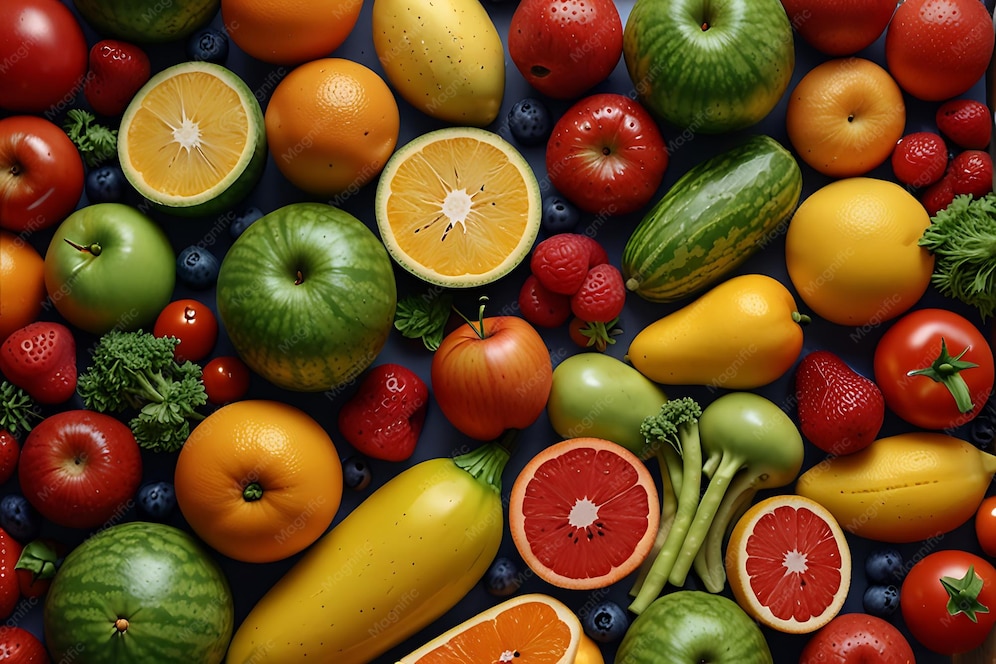
The intersection of artificial intelligence and nutrition has created a paradigm shift in how we approach our daily food consumption. AI Fruit Veggies represents a groundbreaking concept that combines the precision of machine learning algorithms with the timeless wisdom of consuming natural produce. This innovative approach to dietary guidance has transformed the way individuals make food choices, moving beyond generic recommendations to personalized nutritional strategies that consider individual health profiles, preferences, and lifestyle factors. The integration of AI technology into nutritional advice has opened up new possibilities for improving public health outcomes, reducing diet-related diseases, and promoting sustainable eating habits across diverse populations. As we delve deeper into this fascinating subject, we will explore the multifaceted aspects of AI-driven fruit and vegetable recommendations, examining how this technology is reshaping our relationship with food and empowering individuals to make more informed dietary decisions.
Understanding the Core Concept of AI Nutritional Guidance
The fundamental premise behind AI-driven nutritional advice lies in its ability to process vast amounts of data to generate personalized recommendations that evolve with the user. Unlike traditional dietary guidelines that offer one-size-fits-all approaches, AI Fruit Veggies utilizes sophisticated algorithms that analyze numerous variables including age, gender, weight, activity level, medical conditions, genetic predispositions, and even gut microbiome composition. This comprehensive analysis enables the system to suggest specific fruits and vegetables that can address particular nutritional deficiencies, support immune function, or aid in managing chronic conditions. The technology continuously learns from user interactions, refining its recommendations based on feedback, consumption patterns, and health outcomes, creating a dynamic and responsive nutritional guidance system that adapts to changing needs and circumstances.
The Science Behind AI-Powered Food Recommendations
Machine Learning Algorithms in Nutrition
The technological backbone of AI Fruit Veggies consists of advanced machine learning models trained on extensive datasets encompassing nutritional science, clinical studies, and real-world consumption patterns. These algorithms employ deep learning techniques to identify complex relationships between dietary components and health outcomes, recognizing patterns that might escape human observation. Neural networks process information through multiple layers, each extracting increasingly sophisticated features from the data, enabling the system to make nuanced recommendations that consider the synergistic effects of combining different fruits and vegetables. The continuous learning capability ensures that the system remains updated with the latest nutritional research, incorporating new findings into its recommendation engine without requiring manual intervention.
Data Collection and Processing Methods
Modern AI nutritional systems gather data through various channels including mobile applications, wearable devices, and electronic health records. These systems employ natural language processing to interpret food diaries, computer vision to analyze meal photographs, and sensor data to track physical activity and vital signs. The integration of multiple data sources creates a holistic view of the user’s health status and nutritional needs. Sophisticated preprocessing techniques clean and normalize the data, handling missing values and outliers to ensure the accuracy of subsequent analyses. The system’s ability to process unstructured data, such as spoken dietary descriptions or handwritten notes, makes it accessible to users regardless of their technical proficiency.
Predictive Modeling for Health Outcomes
One of the most powerful applications of AI in nutrition involves predictive modeling that forecasts the potential health impacts of specific dietary choices. These models simulate how different combinations of fruits and vegetables might affect various health markers over time, allowing users to visualize the long-term consequences of their dietary decisions. The predictive capabilities extend to identifying individuals at risk for specific nutritional deficiencies or diet-related diseases, enabling proactive interventions before health problems develop. This forward-looking approach represents a significant advancement over traditional reactive healthcare models, shifting the focus from treatment to prevention.
The Comprehensive Benefits of AI-Driven Fruit and Vegetable Selection
Personalized Nutritional Optimization
The ability to tailor fruit and vegetable recommendations to individual needs represents perhaps the most significant advantage of AI-powered nutritional guidance. Each person’s body responds differently to various foods, influenced by genetics, metabolism, and existing health conditions. AI systems can identify these individual variations and suggest produce items that align with specific biochemical needs. For instance, some individuals might benefit from increased consumption of berries rich in anthocyanins for cardiovascular health, while others might require more leafy greens to support cognitive function. The system’s sophistication allows it to recommend specific varieties and preparation methods that maximize nutrient absorption and bioavailability.
Seasonal and Local Recommendations
AI systems can incorporate geographical and seasonal data to suggest fruits and vegetables that are locally available and at peak nutritional value. This approach not only ensures optimal freshness and taste but also promotes environmental sustainability by reducing the carbon footprint associated with long-distance food transportation. The algorithms consider regional growing seasons, suggesting alternatives when preferred options are unavailable and recommending storage methods to extend the shelf life of seasonal produce. This aspect of AI guidance helps users develop a deeper connection with local food systems while maintaining consistent access to nutritious options throughout the year.
Cost-Effective Nutritional Planning
Intelligent recommendation systems can help users maximize their nutritional intake while minimizing food expenses. By identifying which fruits and vegetables provide the highest nutritional density per dollar, AI can suggest budget-friendly options that meet individual dietary requirements. The algorithms analyze local market prices, seasonal availability, and nutritional profiles to generate cost-optimized meal plans that don’t compromise on health benefits. This functionality makes nutritious eating more accessible to individuals with limited budgets, addressing a common barrier to healthy eating habits.
Allergy and Intolerance Management
For individuals with food allergies or intolerances, AI nutritional guidance offers a crucial safety net by identifying potentially problematic fruits and vegetables while suggesting safe alternatives. The system maintains detailed databases of cross-reactive foods and can detect patterns that might indicate previously unrecognized sensitivities. When users report adverse reactions, the AI adjusts its recommendations accordingly, learning from each incident to improve future suggestions. This adaptive capability provides peace of mind for those navigating complex dietary restrictions while ensuring they still receive adequate nutrition from safe sources.
The Technology Behind AI Fruit Veggies Systems
Natural Language Processing Capabilities
Modern AI nutritional platforms employ sophisticated natural language processing to understand and respond to user queries about fruits and vegetables. Users can ask questions in everyday language, and the system interprets the intent behind the words, providing relevant and actionable advice. This conversational interface makes the technology accessible to individuals who might be intimidated by complex nutritional terminology, democratizing access to expert dietary guidance. The NLP engine continues to learn from interactions, improving its understanding of diverse communication styles and cultural contexts over time.
Image Recognition for Produce Identification
Computer vision technology enables users to identify unknown fruits and vegetables simply by taking a photograph with their smartphone. This feature proves particularly valuable when shopping at farmers’ markets or exploring international cuisine sections where unfamiliar produce items might be encountered. The AI analyzes visual characteristics including color, shape, texture, and size to determine the specific variety and provides comprehensive information about nutritional content, preparation methods, and potential health benefits. This immediate identification capability encourages culinary exploration and expands the variety of produce incorporated into regular diets.
Integration with Health Tracking Devices
AI fruit and vegetable recommendation systems can integrate seamlessly with various health monitoring devices, including smartwatches, fitness trackers, and continuous glucose monitors. This integration allows the system to correlate dietary choices with physiological responses in real-time, refining recommendations based on actual health outcomes. For example, if a user’s blood glucose levels spike after consuming certain fruits, the AI might suggest alternatives with lower glycemic indices or recommend specific timing for consumption to minimize metabolic impacts. This closed-loop feedback mechanism creates a virtuous cycle of continuous improvement in dietary guidance.
Implementing AI Nutritional Guidance in Daily Life
Morning Routine Optimization
The integration of AI fruit recommendations into morning routines can significantly impact daily nutritional intake. The system might suggest starting the day with citrus fruits to boost vitamin C absorption, followed by bananas for sustained energy release, or recommend smoothie combinations that combine complementary nutrients for enhanced bioavailability. Morning recommendations consider factors such as anticipated physical activity levels, work demands, and personal energy patterns, ensuring optimal nutritional support throughout the day.
Workplace and Academic Performance Enhancement
AI nutritional guidance can be particularly beneficial for individuals in demanding professional or academic environments. By suggesting fruits and vegetables that support cognitive function, mental clarity, and stress management, the system helps maintain peak performance during challenging periods. Recommendations might include blueberries for memory support, avocados for brain health, or dark leafy greens for sustained concentration. The timing of these recommendations can be aligned with typical work patterns, suggesting optimal snack times to maintain energy and focus.
Exercise and Athletic Performance
For physically active individuals, AI fruit and vegetable recommendations can be tailored to support different phases of the exercise cycle. Pre-workout suggestions might emphasize easily digestible fruits for quick energy, while post-exercise recommendations could focus on nutrient-dense produce for recovery and muscle repair. The system considers exercise intensity, duration, and type to provide personalized guidance that maximizes athletic performance and recovery outcomes. Integration with fitness tracking data allows the AI to adjust recommendations based on actual physiological responses to training.
Evening and Sleep Support
The final meal of the day presents specific nutritional considerations that AI systems address through thoughtful fruit and vegetable recommendations. Certain produce items contain compounds that support sleep quality, such as cherries with natural melatonin or bananas with magnesium and tryptophan. The AI might suggest lighter options in the evening to aid digestion while ensuring adequate nutrient intake for overnight cellular repair processes. Recommendations consider potential sleep disruptions, avoiding fruits that might cause digestive discomfort or sugar spikes that could interfere with rest.
The Global Impact of AI-Driven Nutritional Guidance
Public Health Implications
The widespread adoption of AI fruit and vegetable recommendation systems could have profound public health implications, potentially reducing the incidence of diet-related chronic diseases. By empowering individuals with personalized nutritional guidance, these systems address the root causes of many health conditions that place significant burdens on healthcare systems worldwide. The scalability of AI solutions means that high-quality dietary advice could become accessible to populations that currently lack access to nutritional counseling, reducing health disparities and improving overall community health outcomes.
Environmental Sustainability
AI nutritional guidance systems can promote environmental sustainability by recommending fruits and vegetables with lower environmental footprints. The algorithms can consider factors such as water usage, land requirements, and carbon emissions associated with different produce items, suggesting alternatives when current choices have high environmental costs. This eco-conscious approach aligns with growing consumer awareness of food system sustainability and supports broader efforts to mitigate climate change through dietary choices.
Economic Considerations
The economic implications of AI-driven fruit and vegetable recommendations extend beyond individual household budgets. By optimizing produce consumption patterns, these systems can influence agricultural production decisions, potentially reducing food waste and improving supply chain efficiency. The predictive capabilities of AI can help farmers and distributors better anticipate demand for specific fruits and vegetables, reducing the inefficiencies that contribute to food system waste and price volatility.
Cultural Adaptation and Diversity
Effective AI nutritional guidance systems must recognize and respect cultural dietary traditions while promoting healthful choices. Advanced systems incorporate cultural food preferences and traditional medicine concepts into their recommendation engines, suggesting fruits and vegetables that align with cultural eating patterns. This culturally sensitive approach increases the likelihood of adoption and sustainable behavior change, as individuals are more likely to follow guidance that respects their traditions and values.
Future Developments in AI Nutritional Technology
Integration with Genomic Data
The future of AI fruit and vegetable recommendations lies in deeper integration with genomic information, enabling truly personalized nutritional guidance based on individual genetic profiles. As genomic sequencing becomes more accessible and affordable, AI systems will be able to recommend specific produce items that interact optimally with an individual’s genetic variants, maximizing health benefits while minimizing potential adverse reactions. This nutrigenomic approach represents the ultimate expression of personalized nutrition, tailoring dietary advice to the molecular level.
Advanced Sensor Technologies
Emerging sensor technologies will provide AI systems with more detailed information about an individual’s nutritional status, enabling more precise recommendations. Non-invasive sensors that measure nutrient levels, hydration status, and metabolic markers will feed real-time data into recommendation engines, allowing for dynamic adjustments to dietary guidance throughout the day. This real-time capability will revolutionize the way we think about nutrition, moving from static recommendations to fluid, responsive guidance that adapts to changing conditions.
Enhanced User Interfaces
Future AI nutritional systems will feature more immersive user interfaces, potentially including augmented reality applications that overlay nutritional information on physical produce items in real-time. Virtual reality platforms might simulate the experience of trying new fruits and vegetables before purchasing them, reducing barriers to culinary exploration. These enhanced interfaces will make nutritional guidance more engaging and accessible, particularly for younger generations accustomed to interactive digital experiences.
Community and Social Features
The next generation of AI fruit and vegetable guidance platforms will incorporate social and community features that foster support networks for healthy eating. Users might share their favorite recipes, exchange tips for incorporating recommended produce into meals, or participate in challenges that encourage increased consumption of specific fruits and vegetables. These social features leverage the motivational power of community support, making healthy eating a collective rather than solitary endeavor.
Conclusion: Embracing the Future of Nutritional Intelligence

The emergence of AI Fruit Veggies: Smart Food Guide represents a significant advancement in how we approach dietary health and wellness. By combining the analytical power of artificial intelligence with the timeless benefits of consuming fruits and vegetables, these systems offer unprecedented opportunities for improving individual and population health outcomes. The personalized, adaptive nature of AI nutritional guidance ensures that recommendations remain relevant and effective as circumstances change, while the integration of multiple data sources provides a comprehensive understanding of nutritional needs.
The benefits of these systems extend beyond individual health, encompassing environmental sustainability, economic efficiency, and public health improvement. As technology continues to evolve, the potential for even more sophisticated nutritional guidance grows, promising a future where every individual has access to expert dietary advice that respects their unique biology, preferences, and circumstances. The convergence of AI and nutrition represents not just a technological innovation, but a fundamental shift in how we understand and optimize our relationship with food.
The journey toward optimal nutrition is ongoing, and AI fruit and vegetable guidance systems provide powerful tools for navigating this complex landscape. By embracing these technologies, we can make more informed decisions about our dietary intake, reducing the risk of nutrition-related diseases while maximizing the health benefits of fruits and vegetables. The future of nutritional guidance is intelligent, personalized, and accessible, and it holds the promise of healthier, more vibrant populations worldwide.